
Doing more with less
Facing challenges and rising demands, rural schools
in Colorado continue to push forward.
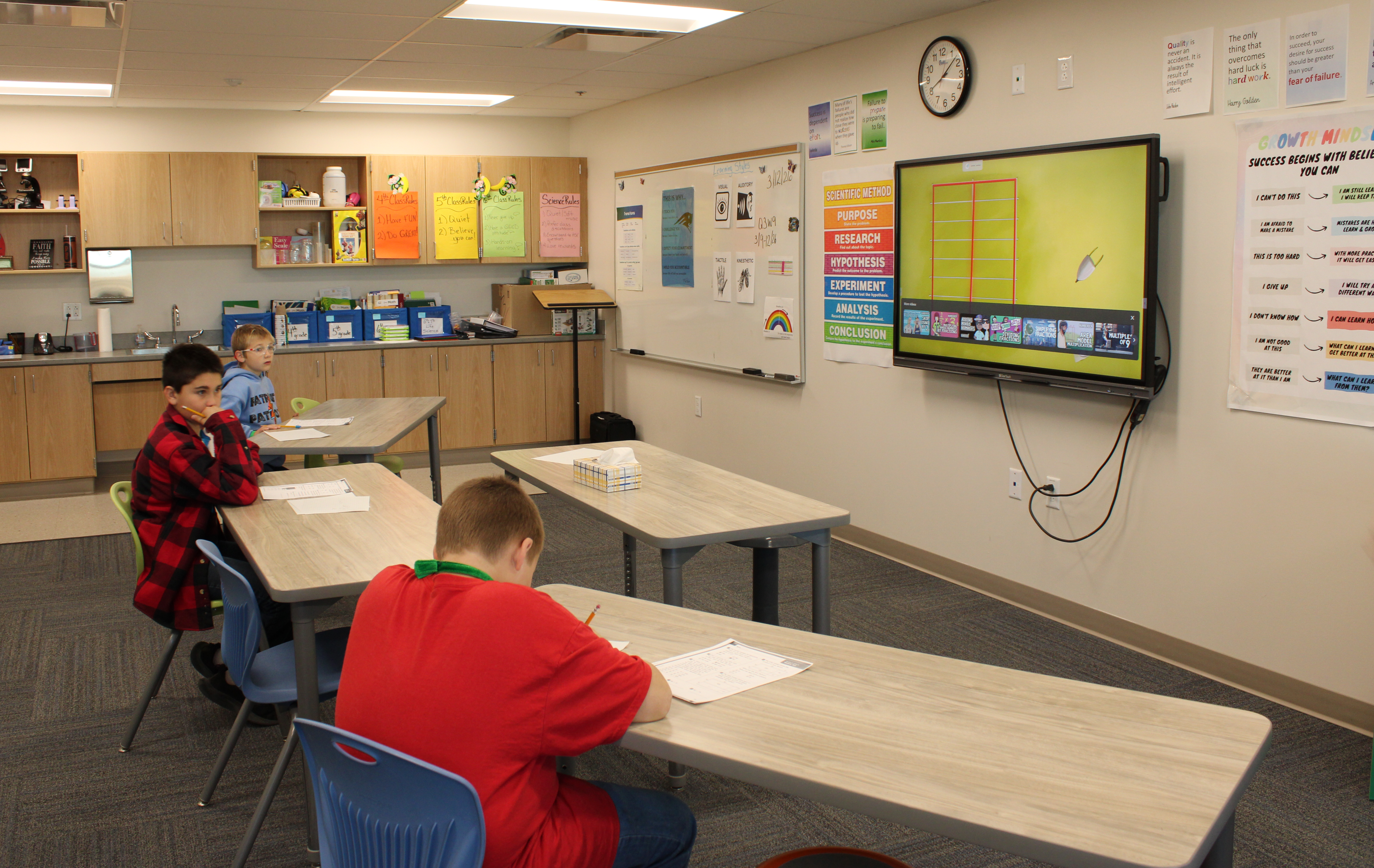

When Ruby Bode first started working with Estes Park schools 20 years ago, its classrooms and hallways felt full. Although teachers and staff were far from the rapid growth of Colorado’s Front Range, the district operated with a clear mission and sense of purpose.
But over the last several years, the district’s superintendent and her peers among the ranks of educators noticed a worrying trend that has only continued following the nightmare of pandemic restrictions and its aftermath.
Twenty years ago, roughly 1,200 students were enrolled in the district. Years later, the district saw a 25% decline with just over 900 students remaining. It is a shift that is reshaping what education looks like in Estes Park.
“I didn't expect Estes Park to grow because this mountain community can't really grow any bigger compared to the Front Range,” Bode said. “So while Colorado was booming with population increases, I predicted we would just stay steady. I wouldn't have thought we would decline.”
As fewer children are born in the town, the graduating classes will get smaller in the years ahead. According to Bode, the declining birth rate can be attributed to limited childcare options, the housing market and the lack of industry.
The most recent report from the Colorado Board of Education showed a decline in enrollment across the state. This decline mirrors the fall of the national birth rate, causing a domino effect of funding, staffing and resource issues across Colorado. This particularly impacts the rural school districts of Colorado, which make up about 80% of all districts in the state.
Most of the funding Colorado schools receive comes from the Public School Finance Act, which uses a formula to determine how districts are allocated money. Recently, a new formula was enacted that started to be phased in for the 2025-2026 school year. Factors considered in the formula include, but are not limited to, individual demographics, pupil count and personnel costs. Each category also contains the potential for sub-categories to be considered.
In the 2025-2026 school year, the base funding per student across the state was set at $8,691.80. That figure can change depending on a district’s cost of living and size. Regardless, enrollment numbers serve as the first step when using both the expiring and new formula for funding.

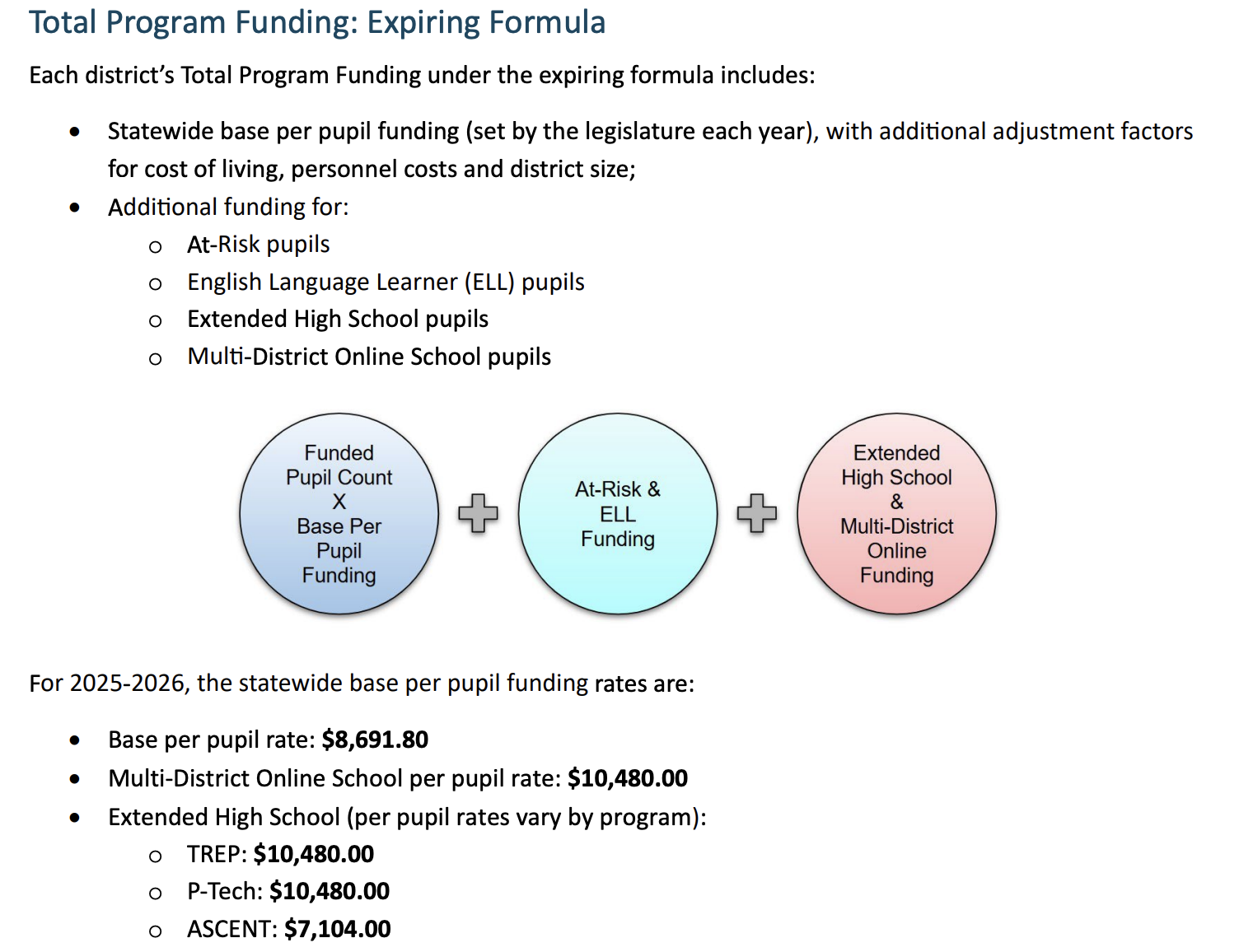
A diagram explaining the funding formula from the Colorado Department of Education.
A diagram explaining the funding formula from the Colorado Department of Education.


Though rural schools have always faced unique challenges when compared to their big city counterparts, enrollment declines are forcing administrators to make tougher decisions. Questions about how to properly staff a school, run extracurricular activities and support students seem to never receive full answers. Estes Park, specifically, is trying its best to address these issues in a place that does not have the capacity to create a booming economy.
“Our main attraction is tourism, it’s not industry,” said Bode. As home to the gateway into Rocky Mountain National Park and attractions like the iconic Stanley Hotel, the town is often a top attraction for those visiting Colorado but is rarely a place people settle down. The lack of job opportunities, combined with an expensive housing market, makes the scenic town an unrealistic place to live for most families. Even Bode, who has worked at the district for 20 years, commutes in from Loveland.
The average cost of living in Estes Park is currently 15.7% higher than the national average and 4% higher than the state average. Home ownership, and even renting, in Estes Park is becoming gradually more out of reach for a normal household.
“I see a significant change when I go to hire new staff,” Bode said. “They start searching for housing and realize that their dream of home ownership might be less attainable here than it will be in other communities.”
In the past 20 years, Estes Park has seen a loss of 300 students from their enrollment, and a big part of this has been due to a declining birthrate. What her district now grapples with is increasingly small classes that lead to lower funding from the state.
“We went from having classes of about 100 kids to classes of 90 kids, to classes of 80. And now we have classes that vary between 50 kids and 80 kids,” said Bode.
Though enrollment is going steadily down across Colorado, the graduation requirements for the students that remain are becoming more intensive each year. Currently, school districts in Colorado have a menu of options to determine their own graduation requirements as long as they are in compliance with the Colorado Graduation Guidelines. According to the Colorado Department of Education, these guidelines include requiring students to “demonstrate their readiness for career, college and the military, based on at least one measure in reading, writing, and communicating, and one measure in mathematics.”
The way students achieve this varies by district, but includes things like attaining certain scores on the SAT and ACT, completing a capstone project, doing concurrent enrollment or getting industry certificates. Though these guidelines aim to set students up for success post-graduation, rural schools are struggling to find ways to provide the necessary resources.
Bode said, “It means high schools have to expand what's available to kids. They have to partner with universities, they have to partner with industry for [Career and Technical Education], they have to partner with employers for work-based learning experiences, and we don't have any more staff to create those opportunities.” In rural schools, it falls onto the existing staff to rise to the challenge and fill the roles required by graduation guidelines.

However, this means staff is expected to have the education and certifications necessary to teach things like Advanced Placement (AP) and concurrent enrollment classes. Amidst a teacher shortage and reduced funding, this puts rural schools in a difficult position where their students are not able to receive the same resources as city kids do.
“Rural districts have to meet all those same high-level requirements, and they should because students in rural schools deserve all the same opportunities. But their opportunities look different in a rural area,” Bode said.
Frank Reeves, director of operations for the Colorado Rural School Alliance, has worked with schools all over Colorado as a teacher, principal and superintendent. From staffing shortages to trying to keep students engaged with limited programming, Reeves has witnessed the challenges rural schools face firsthand.
“Compared to kids in Denver or Aurora, and the opportunities they got compared to our kids, it just got frustrating. Really frustrating,” Reeves said, reflecting on the gaps that leave rural students at a disadvantage.
Consolidating districts to save resources is an idea that has been tossed around. While it has worked well in other states, part of the challenge, according to Reeves, is Colorado’s geography.
He states that consolidating two rural districts that are next to each other could mean that students would need to travel over 80 miles to get to school.
“Is it easier to move kids, or is it easier to move people?” he said. “You may not have a math teacher in two schools. So do you move the math teacher back and forth each day, or each half a day?”
Decisions like these highlight the challenges that rural districts are forced to navigate to keep students on track to graduate and ready for the next chapter of their lives
Community in the Rockies: Estes Park High School

Maximus Edwards, a senior at Estes Park High School, was born and raised in Estes. Apart from occasionally being annoyed by tourists and elk, his love for the charming town remains strong, especially for the community it offers.
He will be attending Colorado State University next fall to study human resource management. As he reflected on the past four years of schooling, he appreciated being able to make genuine connections with his teachers and peers. Still, he wishes the school offered a wider variety of courses.
“I was really looking forward to one psychology class, and that got cut right before I could take it. That’s been kind of heartbreaking,” Edwards said. He said that although classes can be taken through Front Range Community College, “online school doesn’t work for everybody.”
Edwards has participated in community service-based clubs like the National Honor Society and Youth in Action, but feels as though he missed out on playing sports, another opportunity he believes could’ve broadened his high school experience.
Another student in his graduating class, Willow Manning, shares similar experiences to Edwards, speaking to both the limitations and strengths of attending a rural school. She moved to Estes Park in eighth grade after attending Drake Middle School, a much larger school in Arvada.

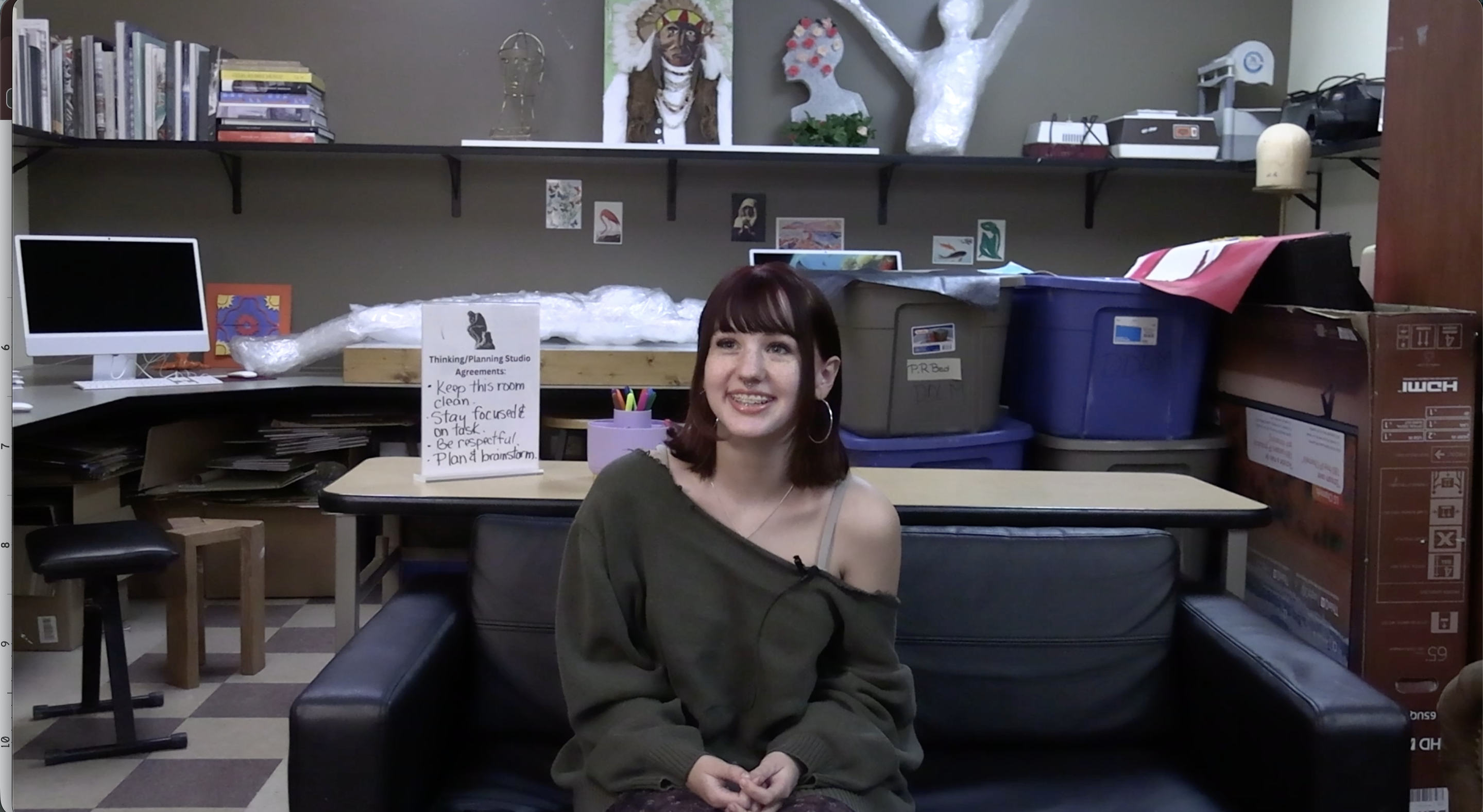
Willow Manning, a senior at Estes Park High School, during a sit-down interview about her educational experience.
Willow Manning, a senior at Estes Park High School, during a sit-down interview about her educational experience.
Manning wants to pursue a career in forensic anthropology and says there weren’t many extracurricular activities that suited her interests compared to what larger schools provide. Despite this, she emphasized that attending a smaller school comes with its own advantages. Smaller class sizes mean there’s more room to focus on student wellbeing.
“It’s a lot more student-oriented than most other places,” Manning said. “Bigger schools are so focused on academics instead of just the students. All the teachers here will help you and it’s really nice.”
Andrew Virdin has been teaching at the high school for eight years. He teaches elective courses and ninth-grade English classes like hip hop through literacy and film in literature.
Even while facing the school’s challenges with enrollment, Virdin has seen firsthand how students make the most of their time at the school.
“It's easy to have judgment or discrimination against a small community or small town and see them as limited, but these kids are impressive. They embrace opportunities, and they're very resilient,” Virdin said.


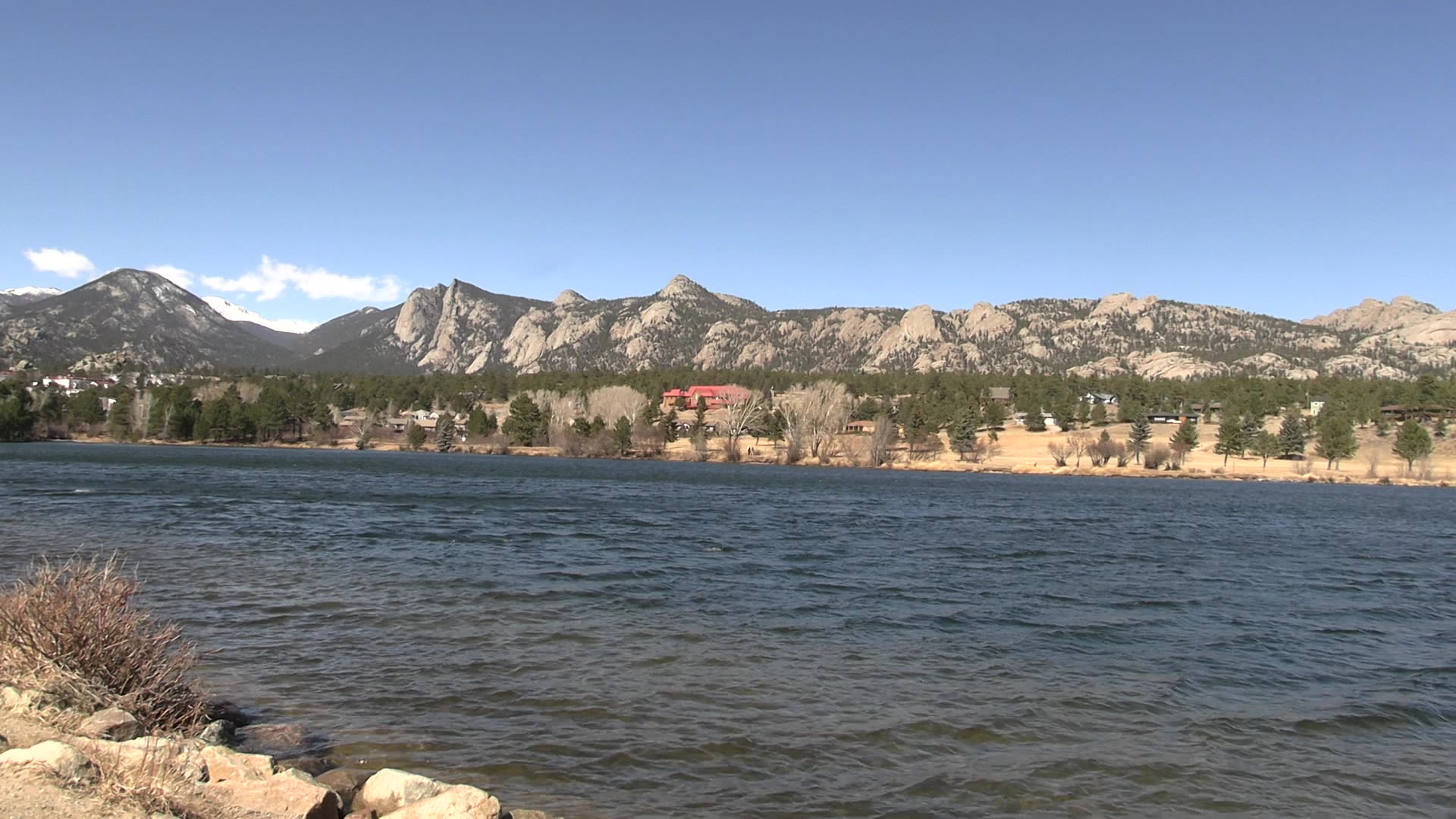
Big Thompson River in Estes Park. The town is a well-known place for tourists, impacting the experience of teachers and students from the school district.
Big Thompson River in Estes Park. The town is a well-known place for tourists, impacting the experience of teachers and students from the school district.

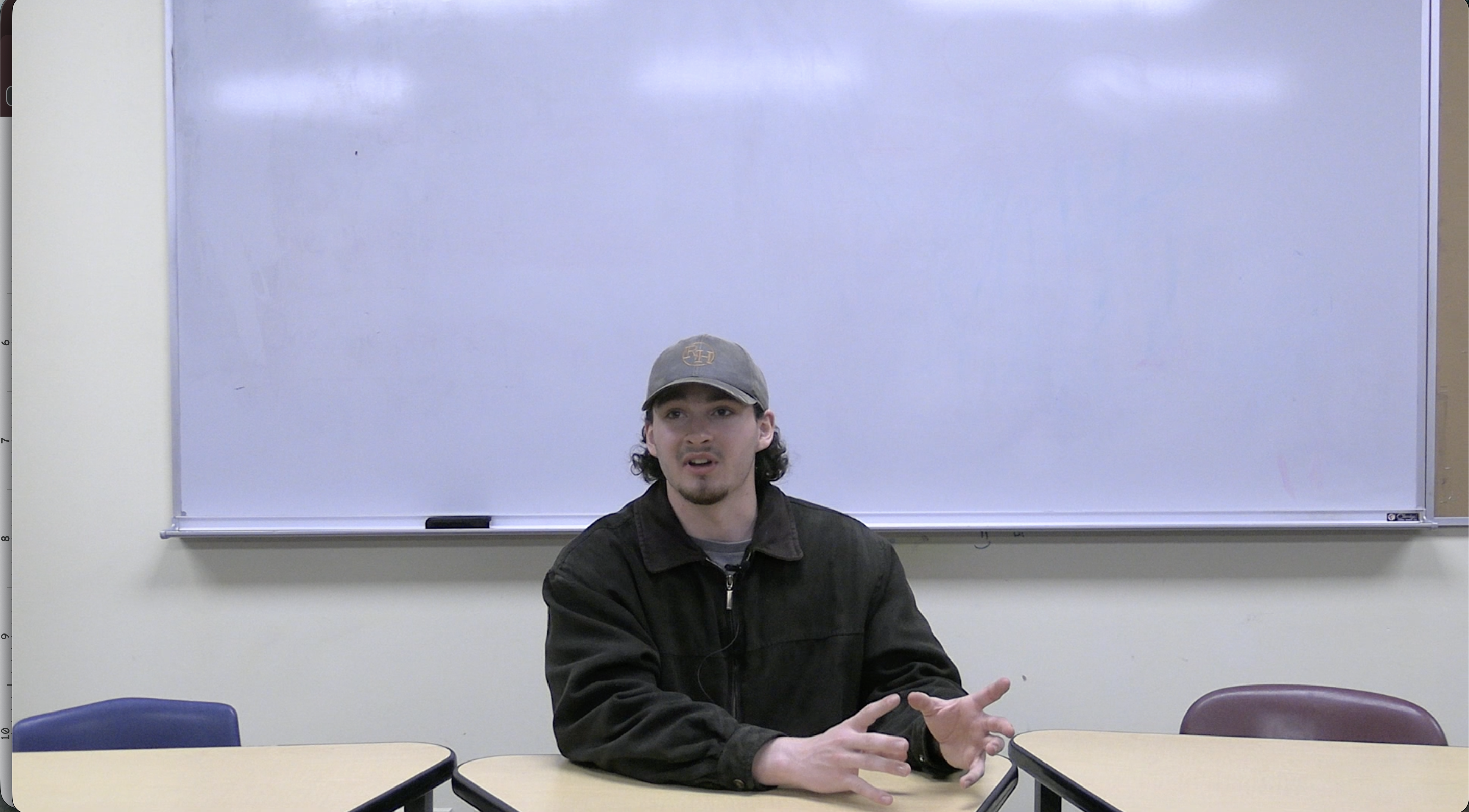
Maximus Edwards, a senior at Estes Park High School, during an interview about his experience growing up in the town.
Maximus Edwards, a senior at Estes Park High School, during an interview about his experience growing up in the town.

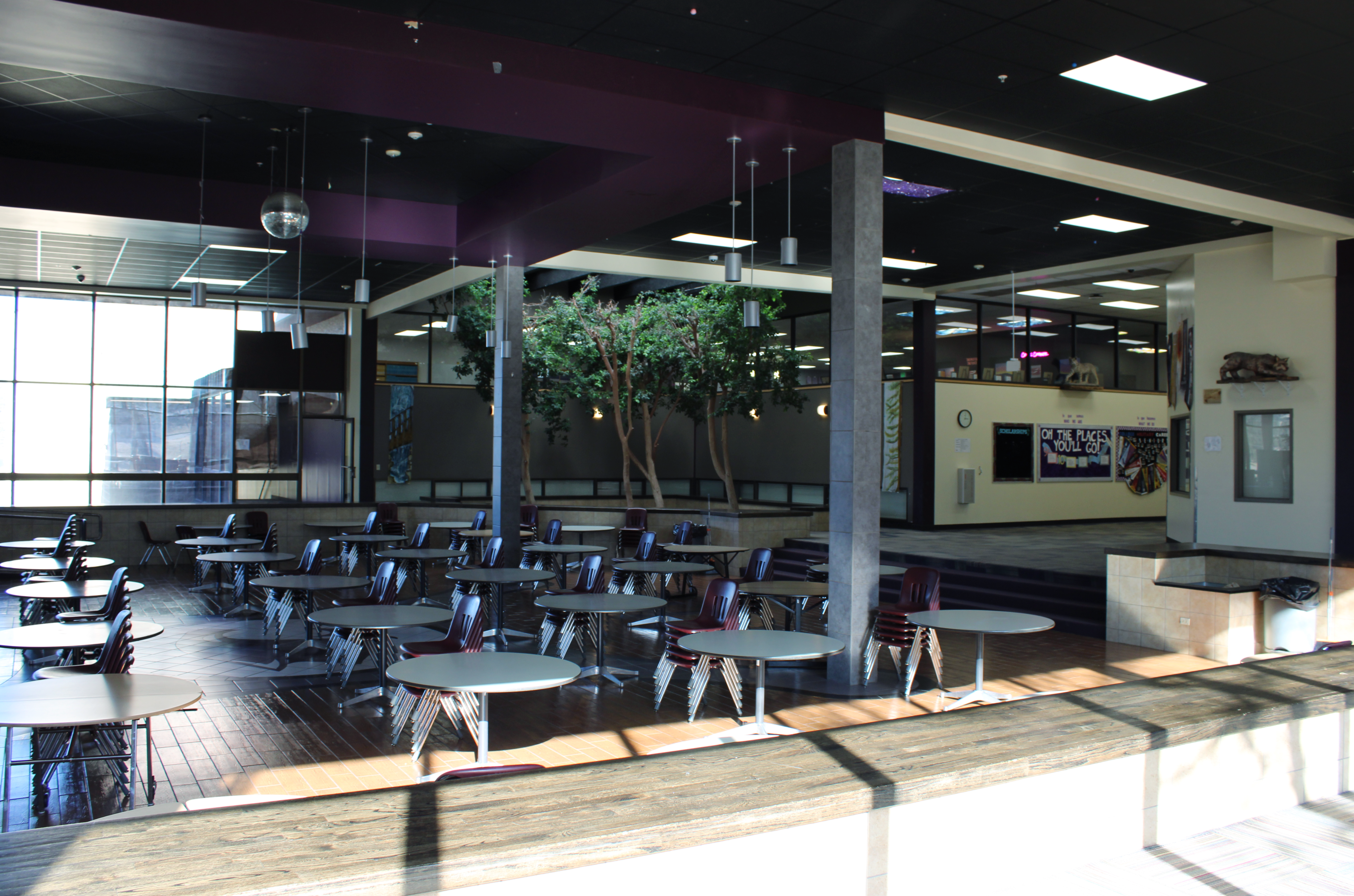
The Estes Park High School cafeteria sits empty at 2:30 p.m. on a Friday.
The Estes Park High School cafeteria sits empty at 2:30 p.m. on a Friday.

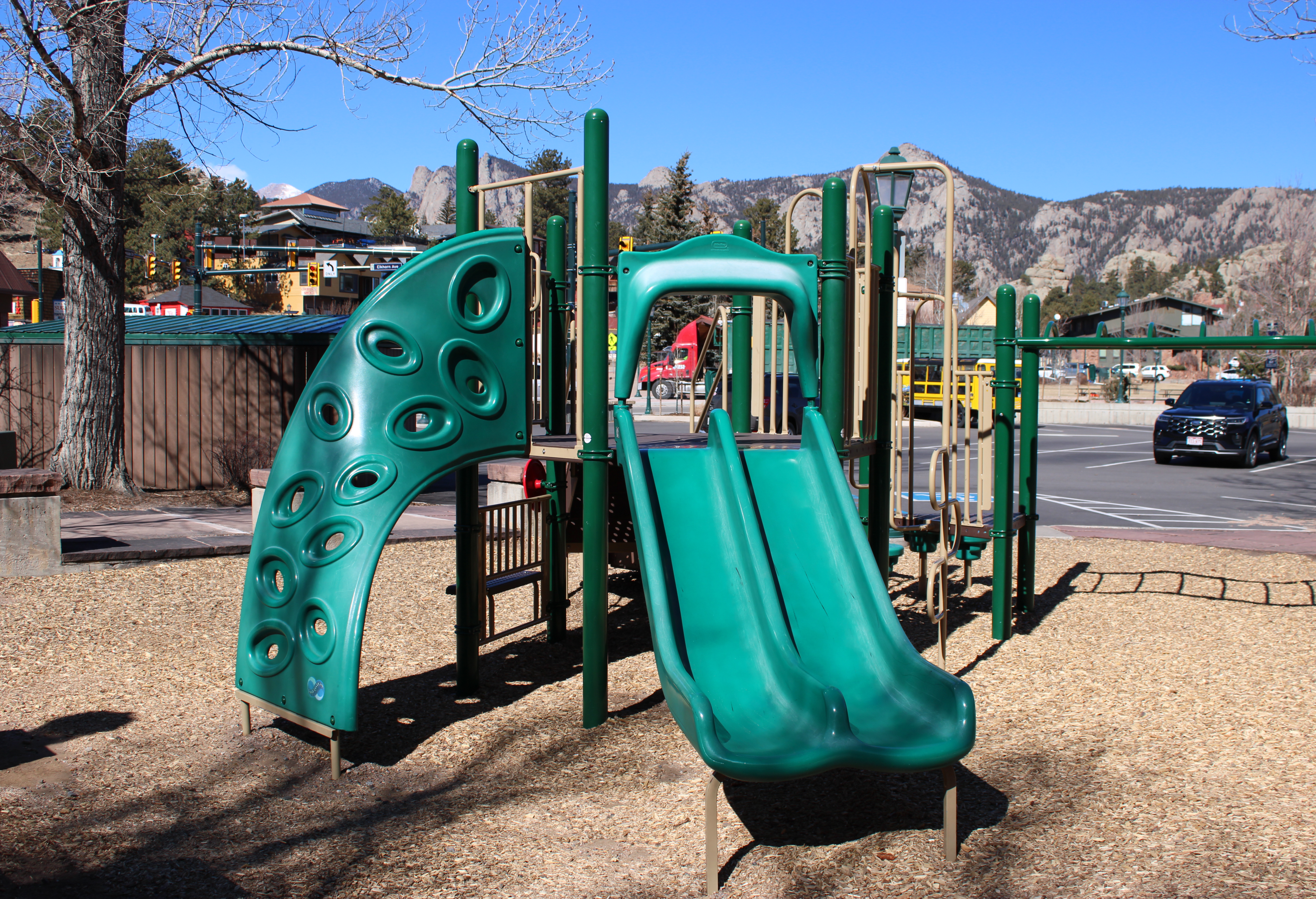
A small playground in downtown Estes Park.
A small playground in downtown Estes Park.

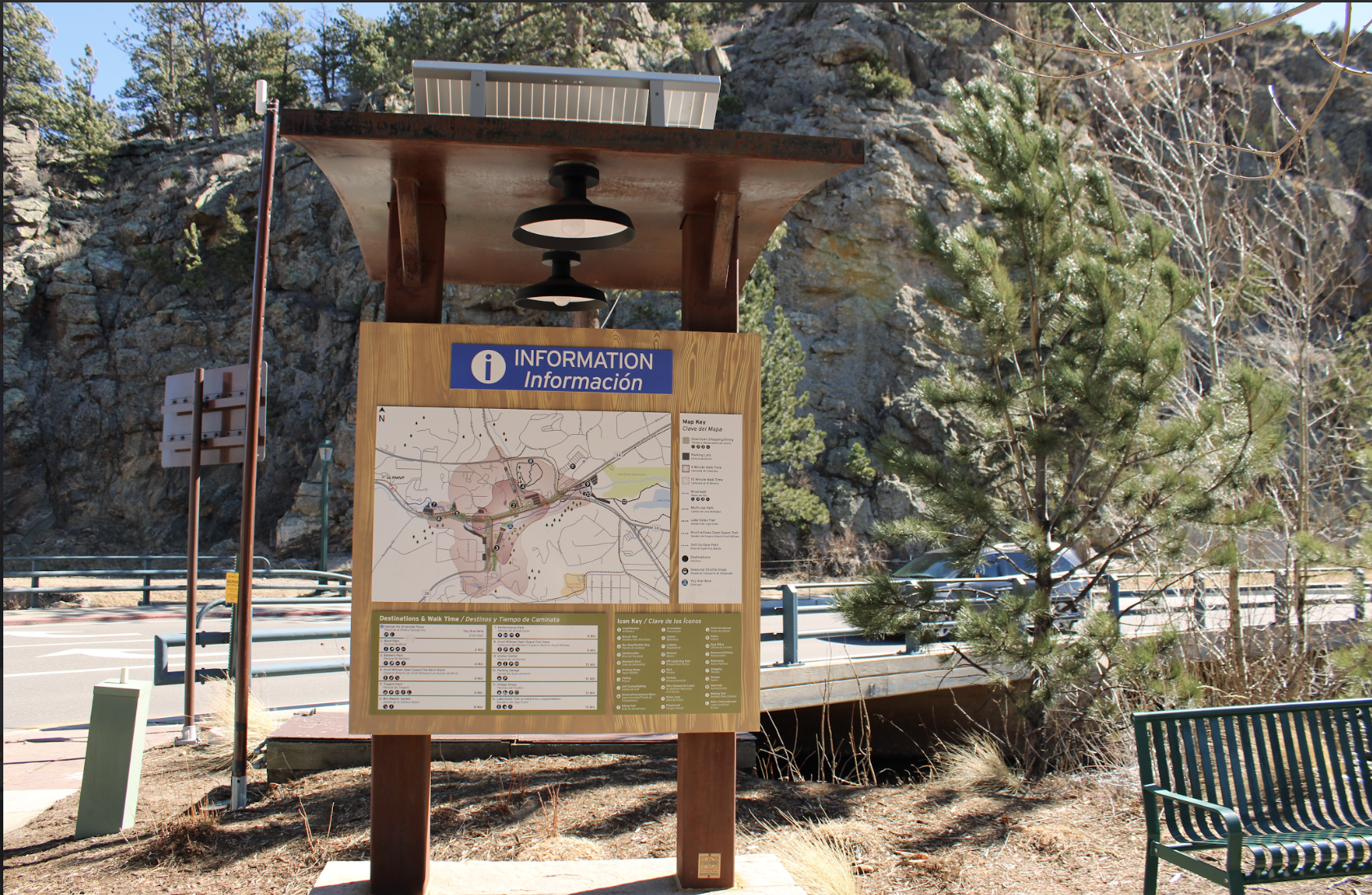
A map of Estes Park right off the highway.
A map of Estes Park right off the highway.
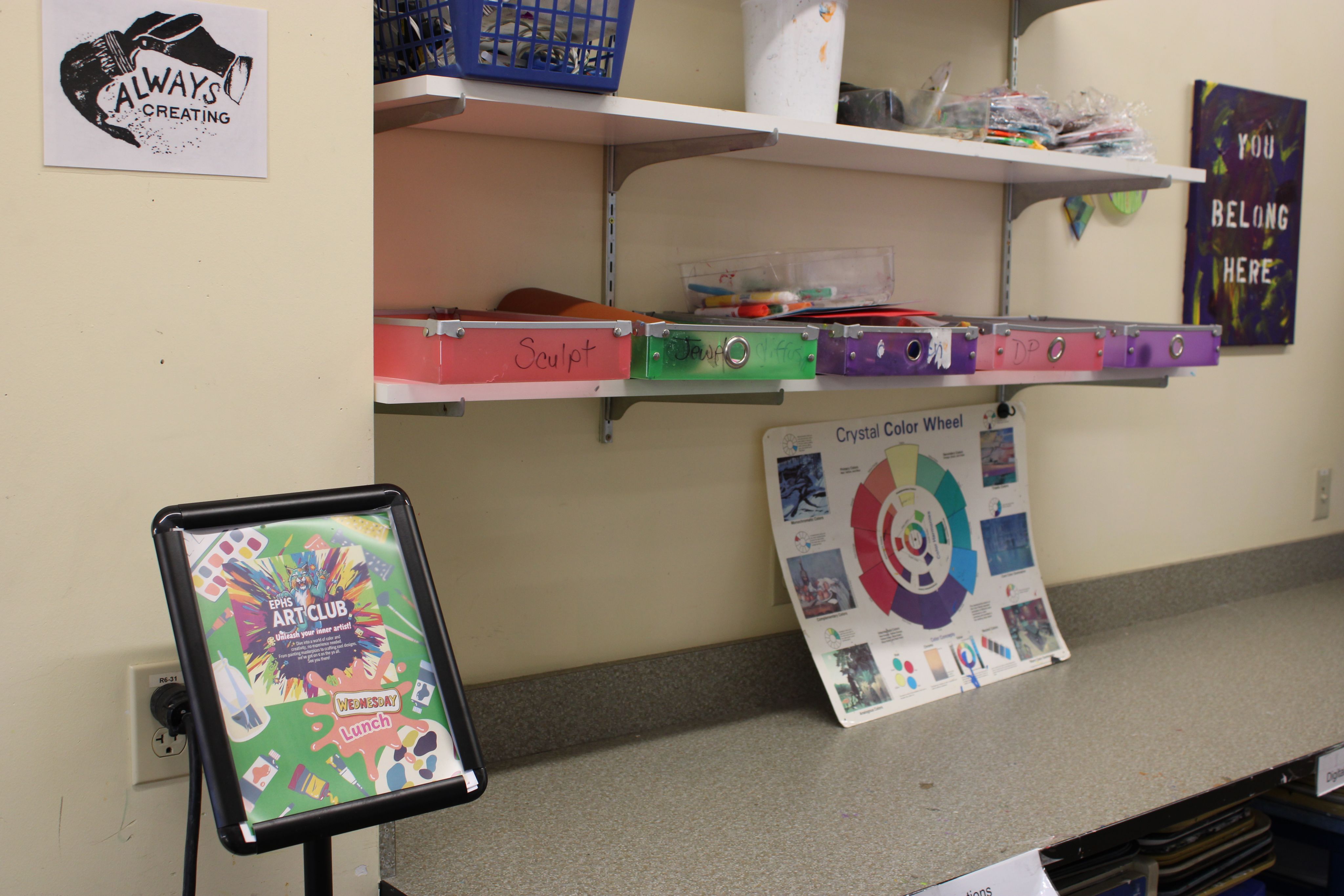
Art supplies, a color wheel chart and a flyer for Estes Park High School's art club.
Art supplies, a color wheel chart and a flyer for Estes Park High School's art club.
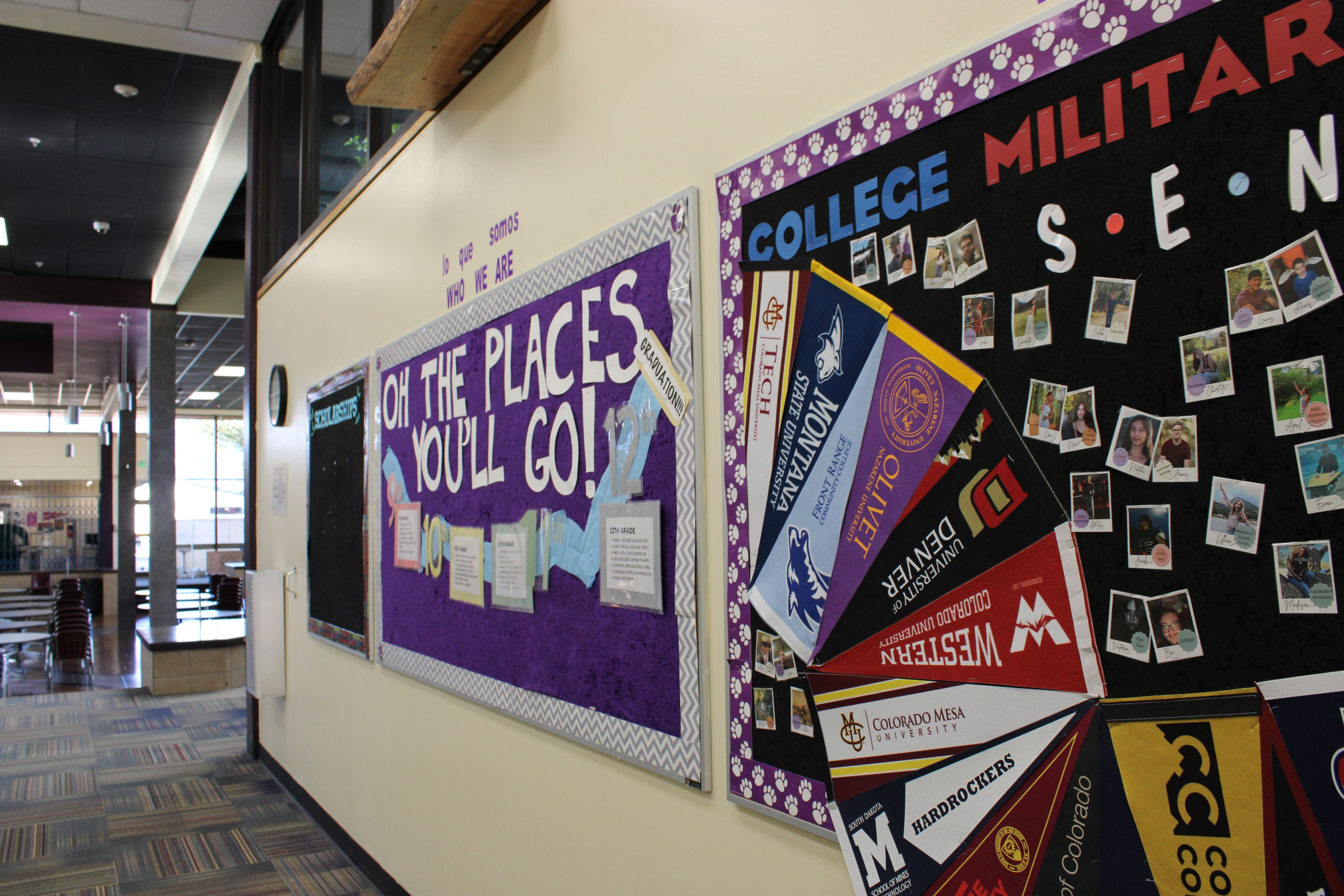
Decorated boards with information about post-secondary education and all the colleges that seniors at Estes Park High School have committed to.
Decorated boards with information about post-secondary education and all the colleges that seniors at Estes Park High School have committed to.


A unique challenge: Campo School District RE-6

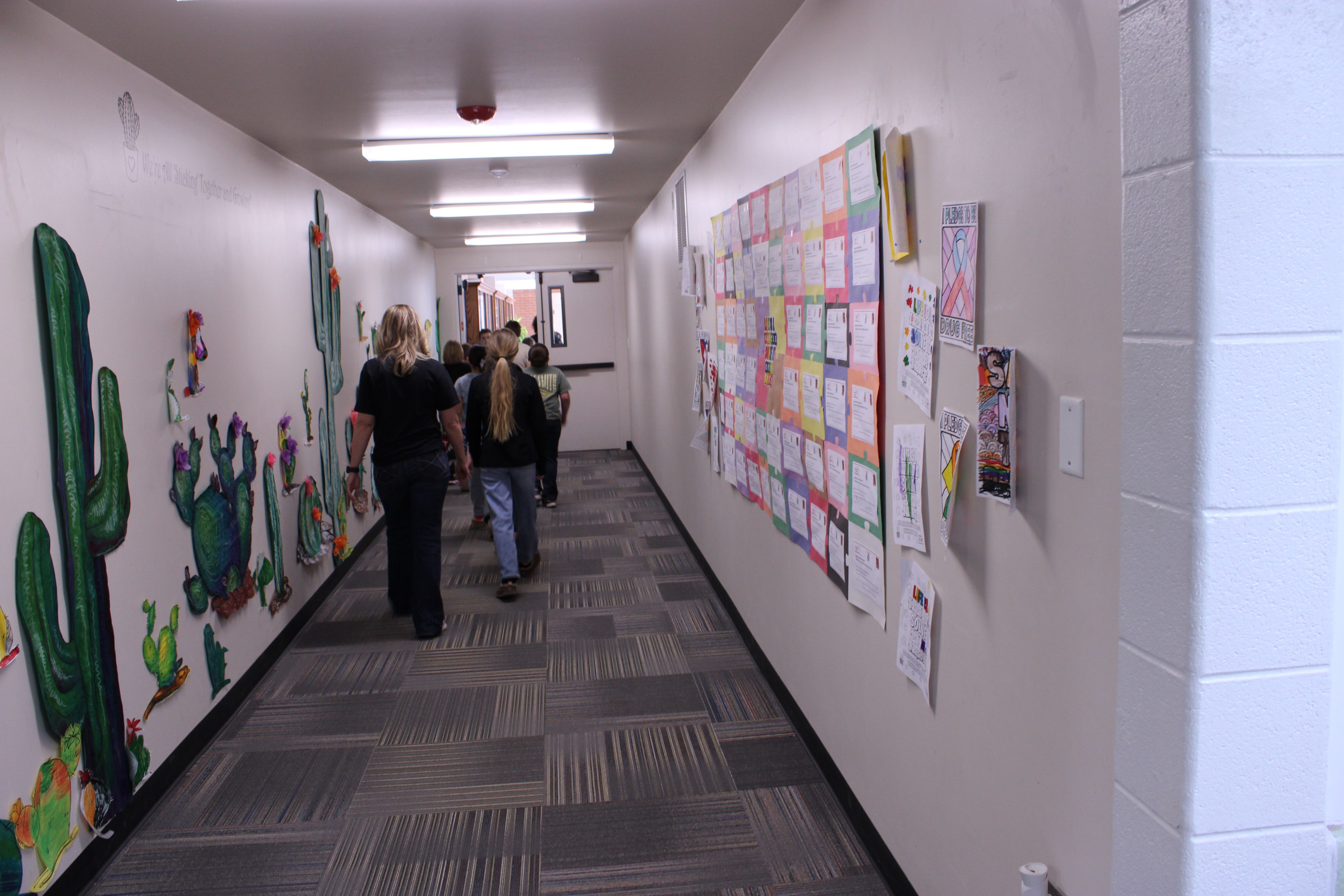
While enrollment trends downwards across most of Colorado, in the southeast corner of the state, Campo School District has seen its student population double in the past few years. Just mere miles from the Oklahoma border, Campo has a population of 94 people. Its school, a single building that sees ages ranging from infants all the way to seniors in high school, saw its enrollment jump from 32 in 2023 to 63 in 2026.
A majority of this enrollment boom did not come from new families moving to town or a baby boom, but from students choicing in from other districts in Baca County. Campo’s emphasis on student engagement is the biggest reason, they believe, this pattern has arisen.
“The changes that we've made have been from student input saying, this is what we want, this is what we need,” said Nikki Johnson, the superintendent of Campo School District. “We did some surveys with students that [asked], ‘What do you need from your regular classes? And how can we do things differently?’”
Still, the influx of students has come without an influx of money from the state. Colorado has floor funding for schools, meaning that rural districts receive funding for at least 60 students even if their actual population is below that. When Campo had about 30 students, this meant they were getting adequate funding. “What it takes to educate 60 is different than 32, so our budget has gotten a lot tighter, and we're feeling some of that,” said Johnson.

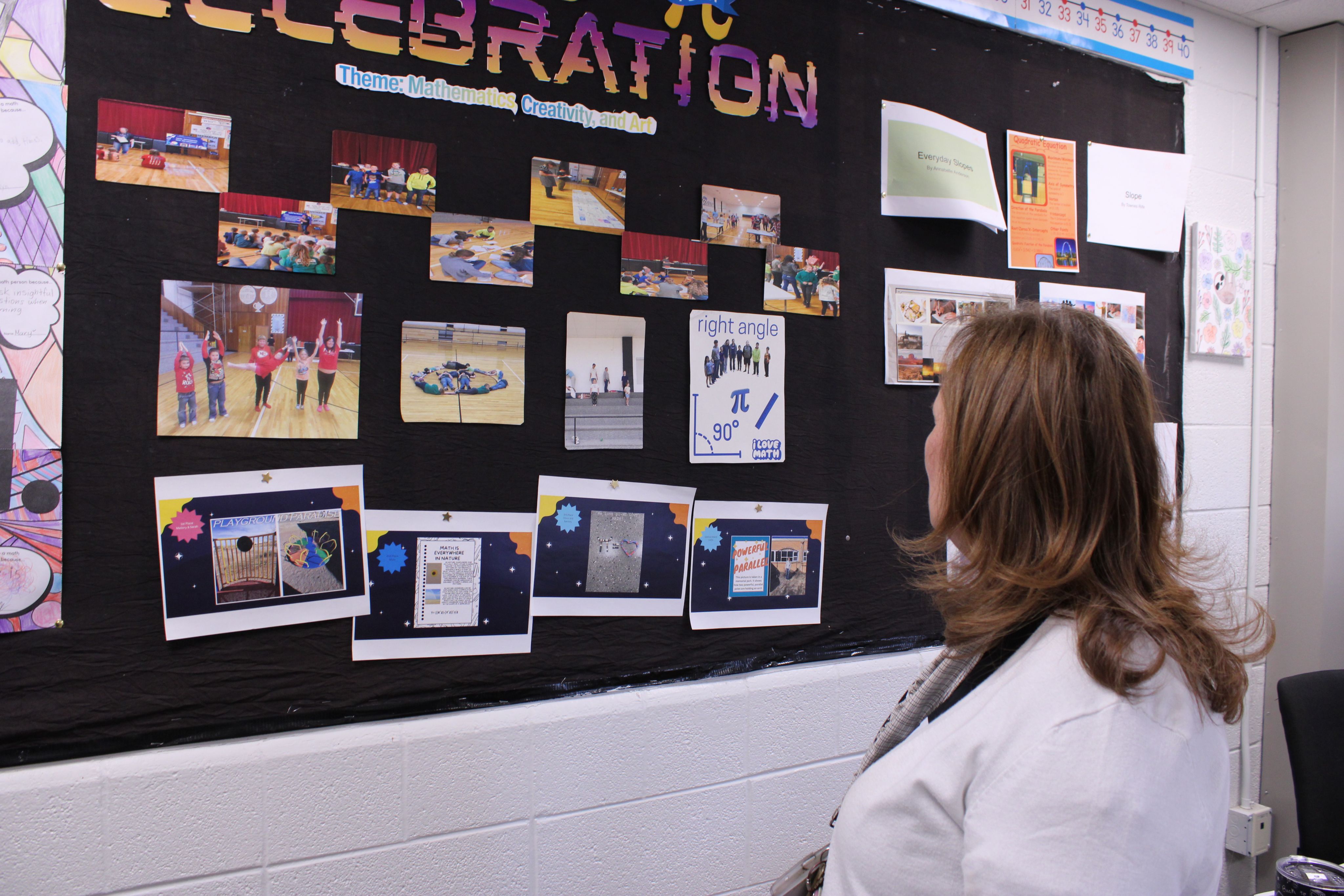
Nikki Johnson, the superintendent of Campo School District, looks at a board of students’ work.
Nikki Johnson, the superintendent of Campo School District, looks at a board of students’ work.
Though their resources are still limited, Campo has been able to manage the increase in unique ways. Combining grades was once a way for the school to accommodate smaller class sizes, but now serves as the best way to ensure students are being taught by a limited staff. The elementary classes are grouped in a departmentalized structure where classes have mixed grades learning about the same subject. This grouping requires a team-teaching strategy to allow students to have dedicated time to specific topics. In middle and high school, class groupings change year to year depending on student needs and enrollment.
“The challenge would be consistency of numbers. There's a sweet spot in a number of kids in a class that makes it work, and that can be magic, [but] then there's too few. It's very difficult when you have a class of one,” said Sabra Sowell-Lovejoy, a teacher who's been at Campo for nine years.
Sowell-Lovejoy, like most rural schoolteachers, wears numerous hats in the school. She currently teaches secondary history, co-teaches secondary English, food production and fifth grade science. She also coaches track for junior high and high school.
Though she loves the work she does, she was candid about the unique challenges it brings. “And so there becomes a bigger burden on the teachers that are in your rural schools when we don't have enough staff,” Sowell-Lovejoy said. “And I know that that's a statewide problem, but it's exaggerated for rural people.”
"And I know that's a statewide problem, but it's exaggerated for rural people."
The burden of educating a growing student population has grown large enough that even the principal, Kim Jenkins, has started to take on some of the class load. She teaches family and consumer sciences and financial literacy. Her administrative obligations don’t disappear just because she’s teaching, so Jenkins shares the load with Johnson.
“I am really grateful to have Kim as a principal. Obviously, her time is pretty tied up with classes so we really do share some of those responsibilities,” Johnson said. “And I work with elementary teachers more, and she works with the high school teachers more.”
The faculty’s willingness to share workloads and collaborate over different tasks is, in part, what gets Campo through the school year. The team-oriented mindset isn’t limited to the administrators and teachers, however; the student population is encouraged to take an active part in school event fundraising.
Mallory Johnson, the sole graduate for the class of 2026, has grown up in Campo her whole life and has closely seen how the school created a culture of hard work in their students. The school gets a majority of their money for things like dances and field trips from student fundraisers. Thanks to her close-knit connections in the community, Johnson has been very successful in these endeavors.
“Being friendly and being nice really has its advantages,” Johnson said.
After graduation, Johnson plans on attending West Texas A&M University to get her bachelor’s degree in education. Her experience with the teachers at Campo instilled a desire to give back to her community, which she intends on returning to.
“I want to live in Campo,” Johnson said. “This is where all my family is from.”
Before Johnson is able to return as a teacher, the school is still dealing with the daily struggle of a small staff.

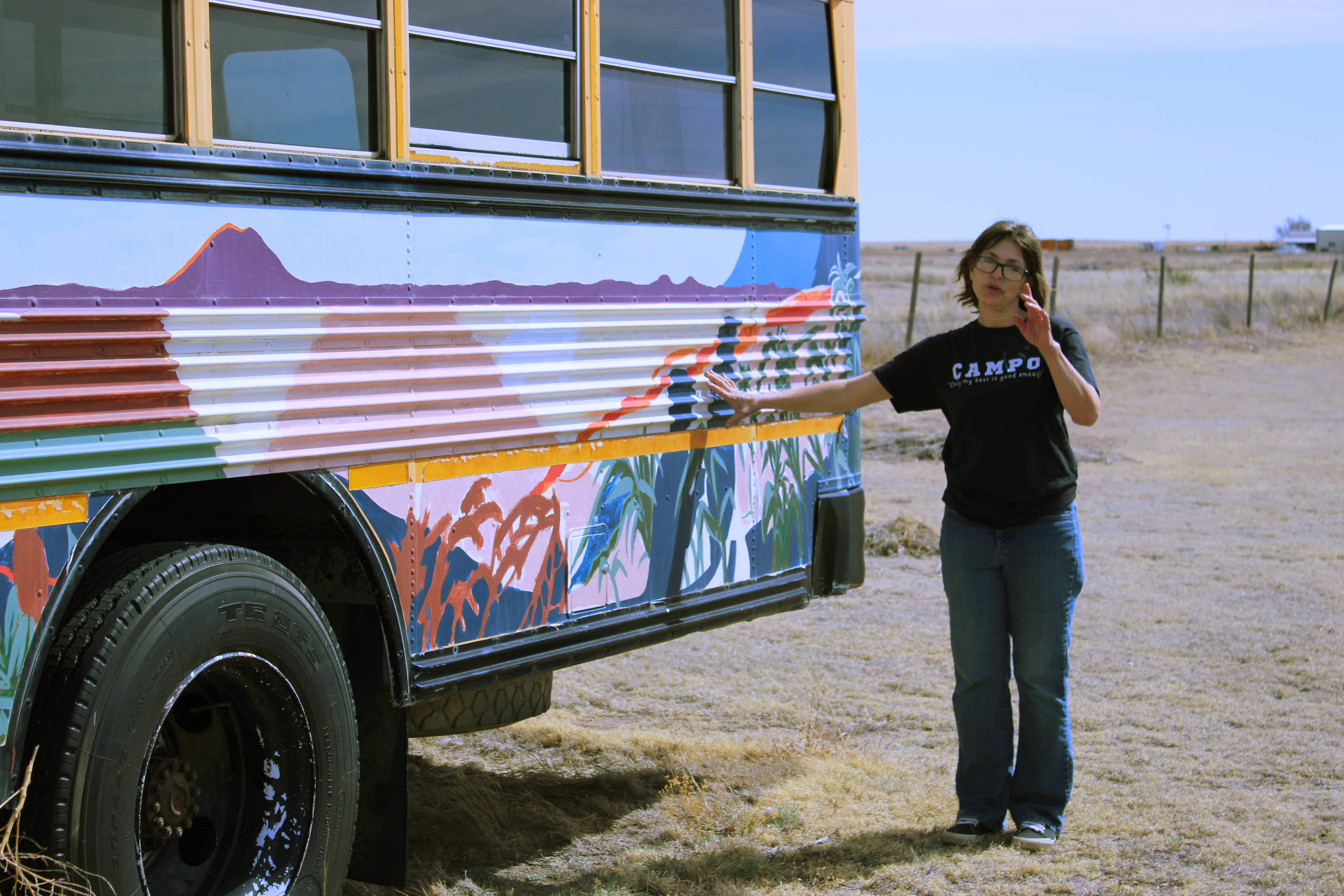





Sabra Sowell-Lovejoy shows a school bus that was painted by students.
Sabra Sowell-Lovejoy shows a school bus that was painted by students.
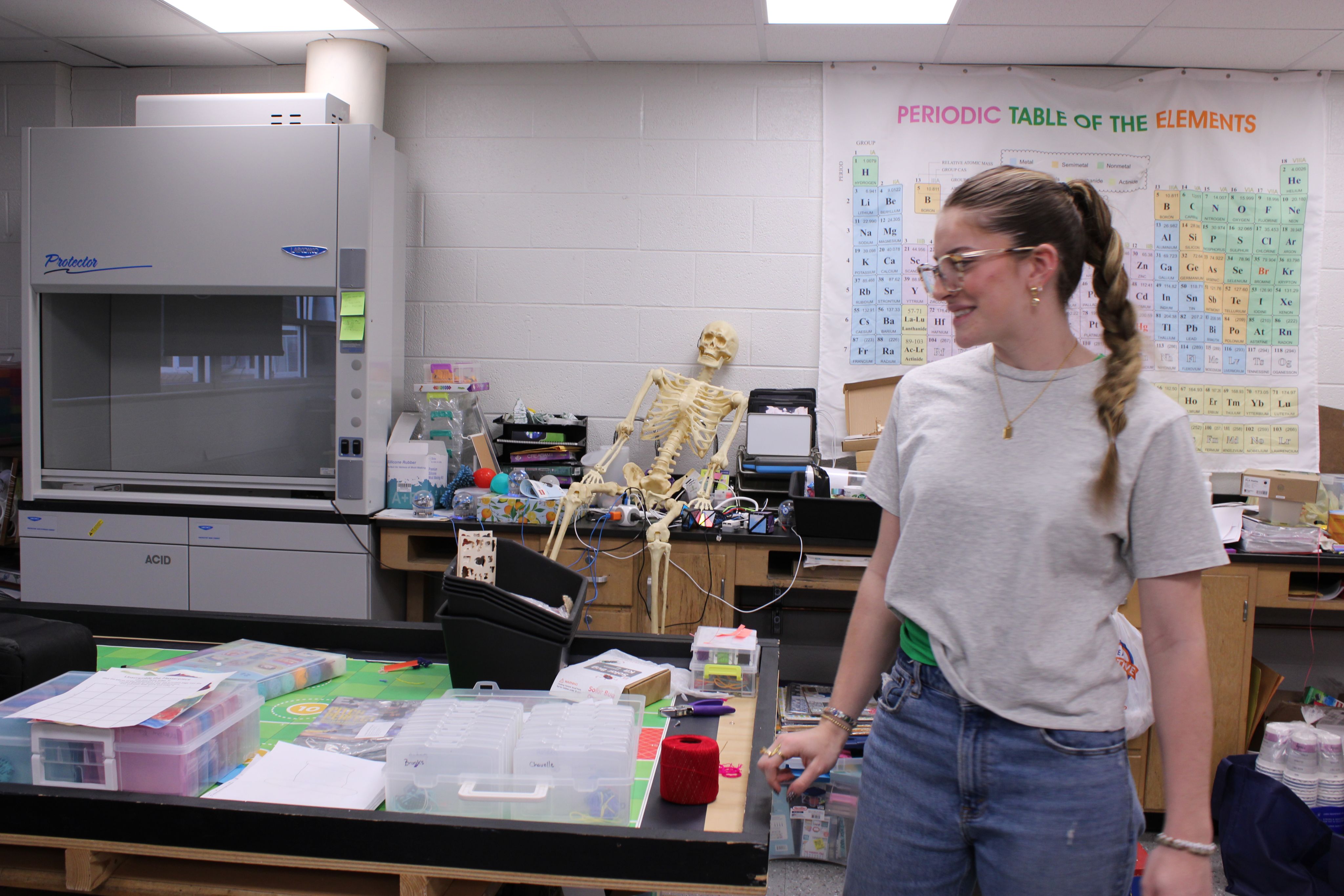
Sarah Elmore, a junior at Campo School, stands in a science classroom.
Sarah Elmore, a junior at Campo School, stands in a science classroom.
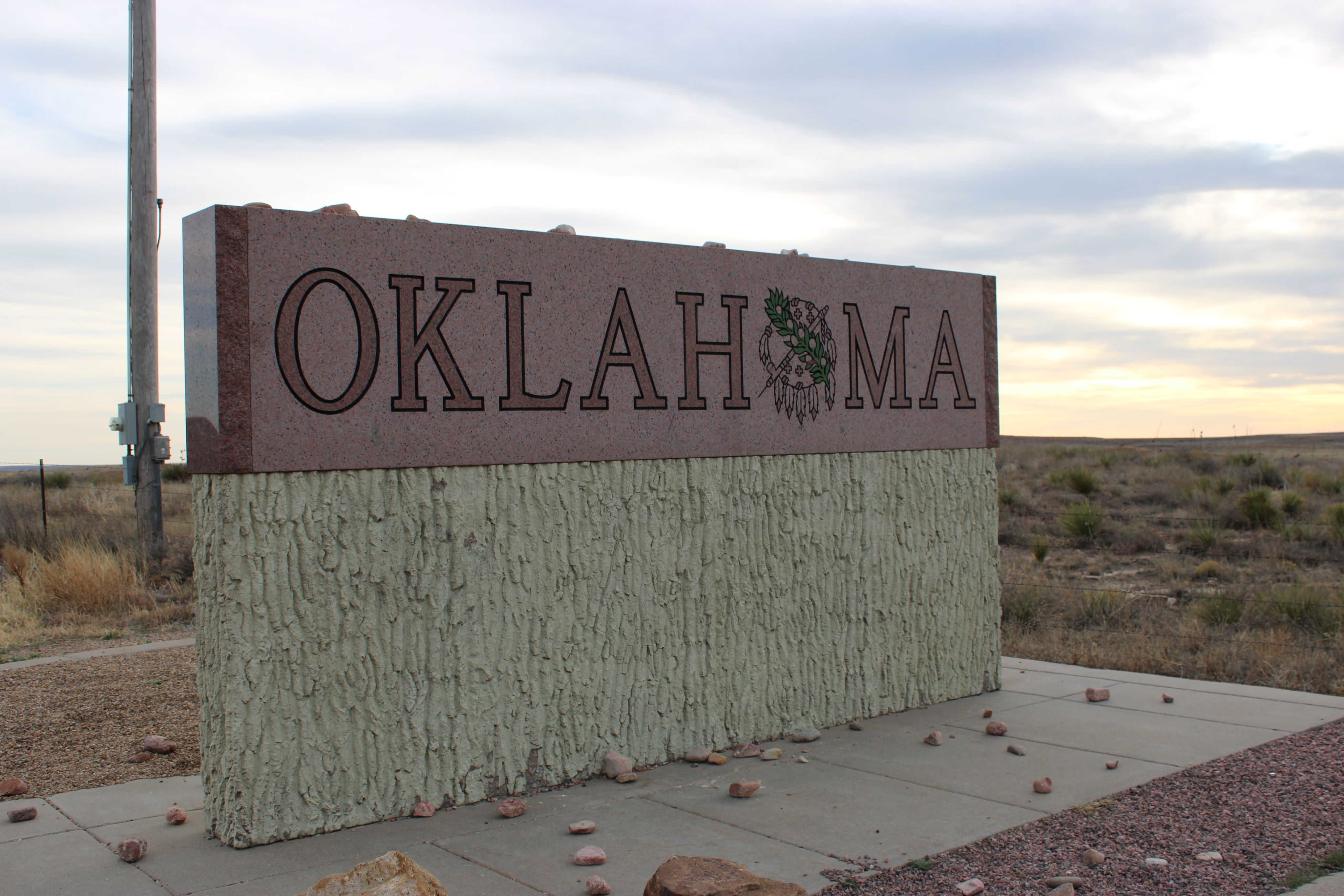
The Oklahoma sign at the Colorado border, less than 10 miles from Campo.
The Oklahoma sign at the Colorado border, less than 10 miles from Campo.

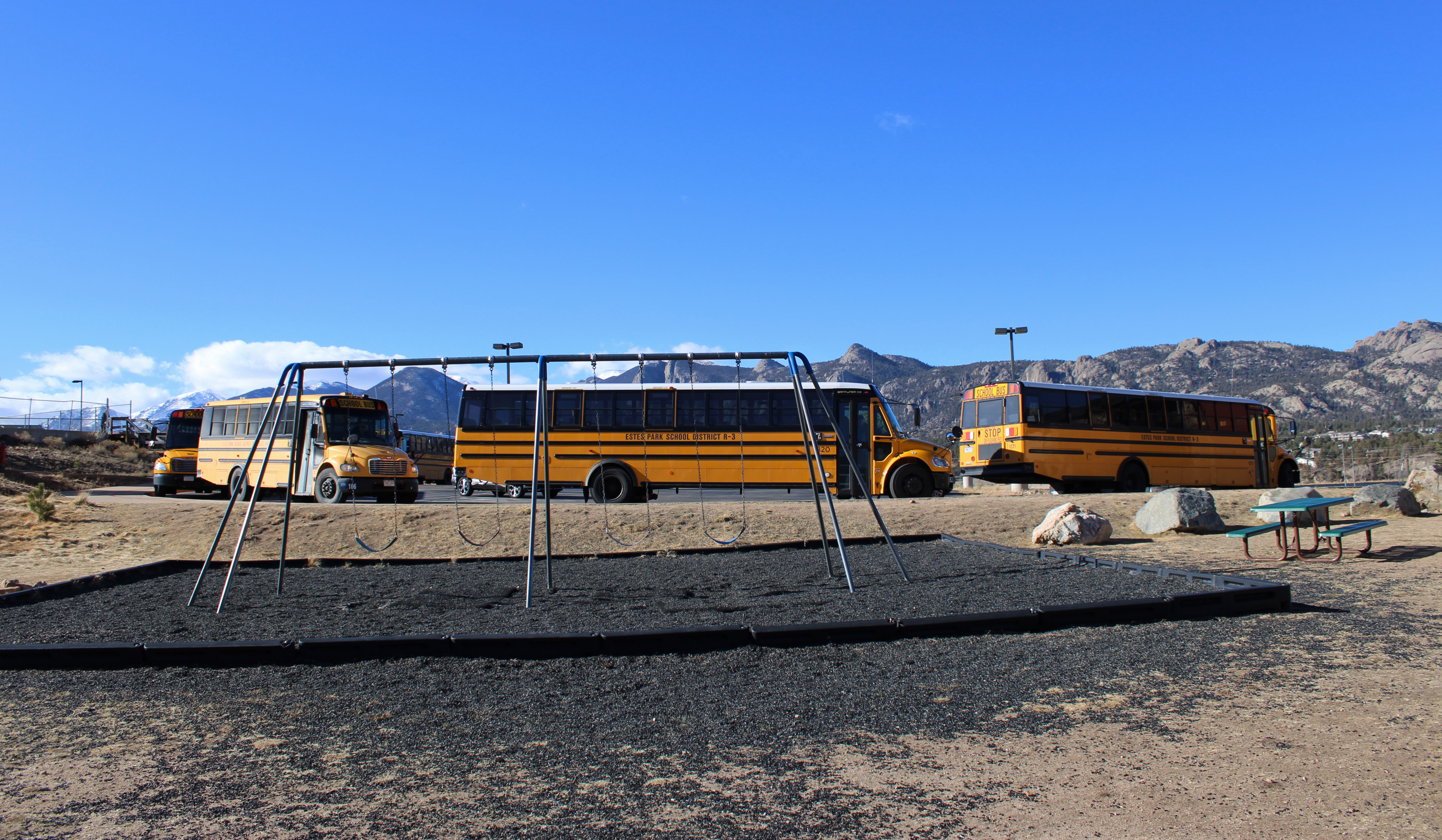
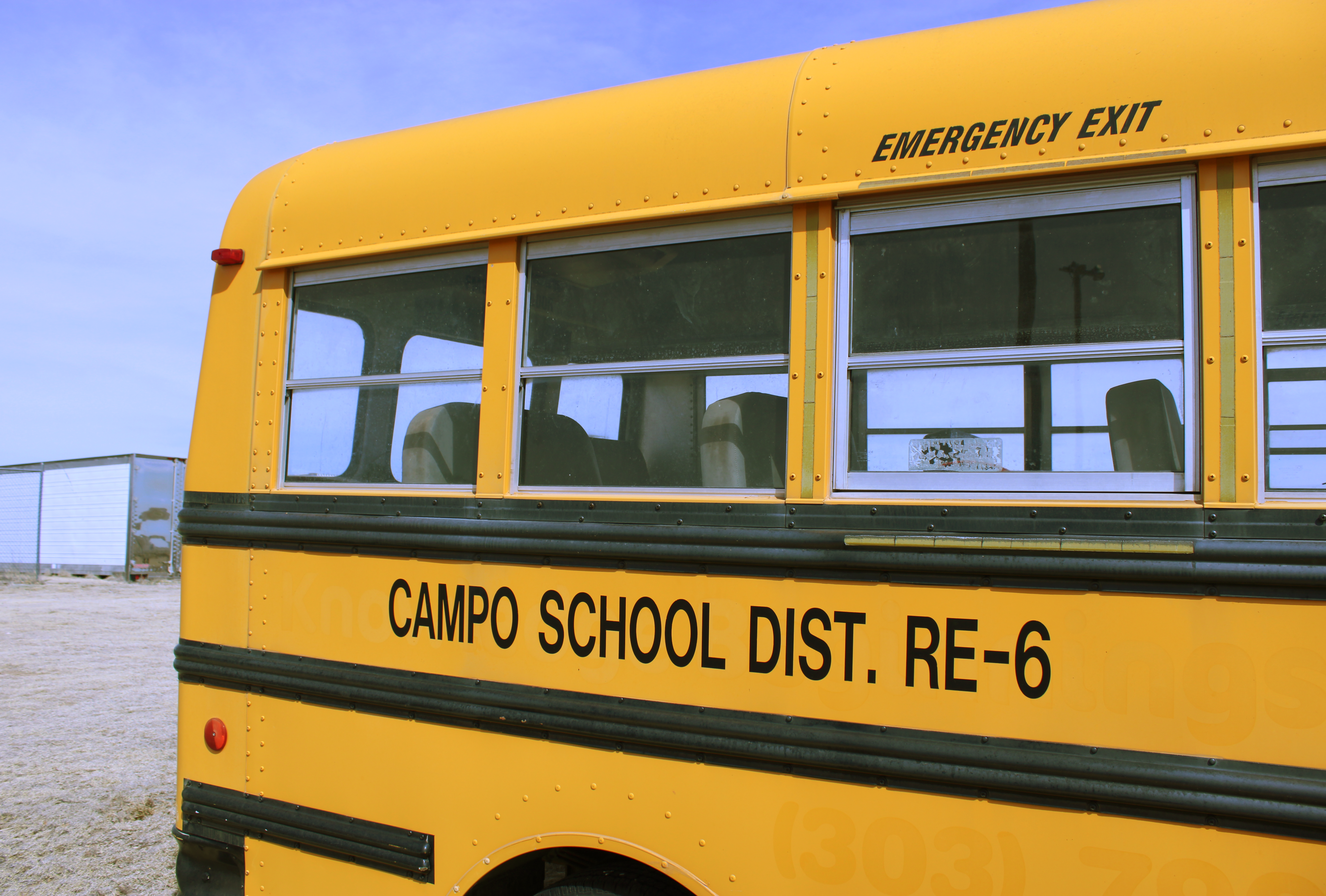
A Campo school bus.
A Campo school bus.
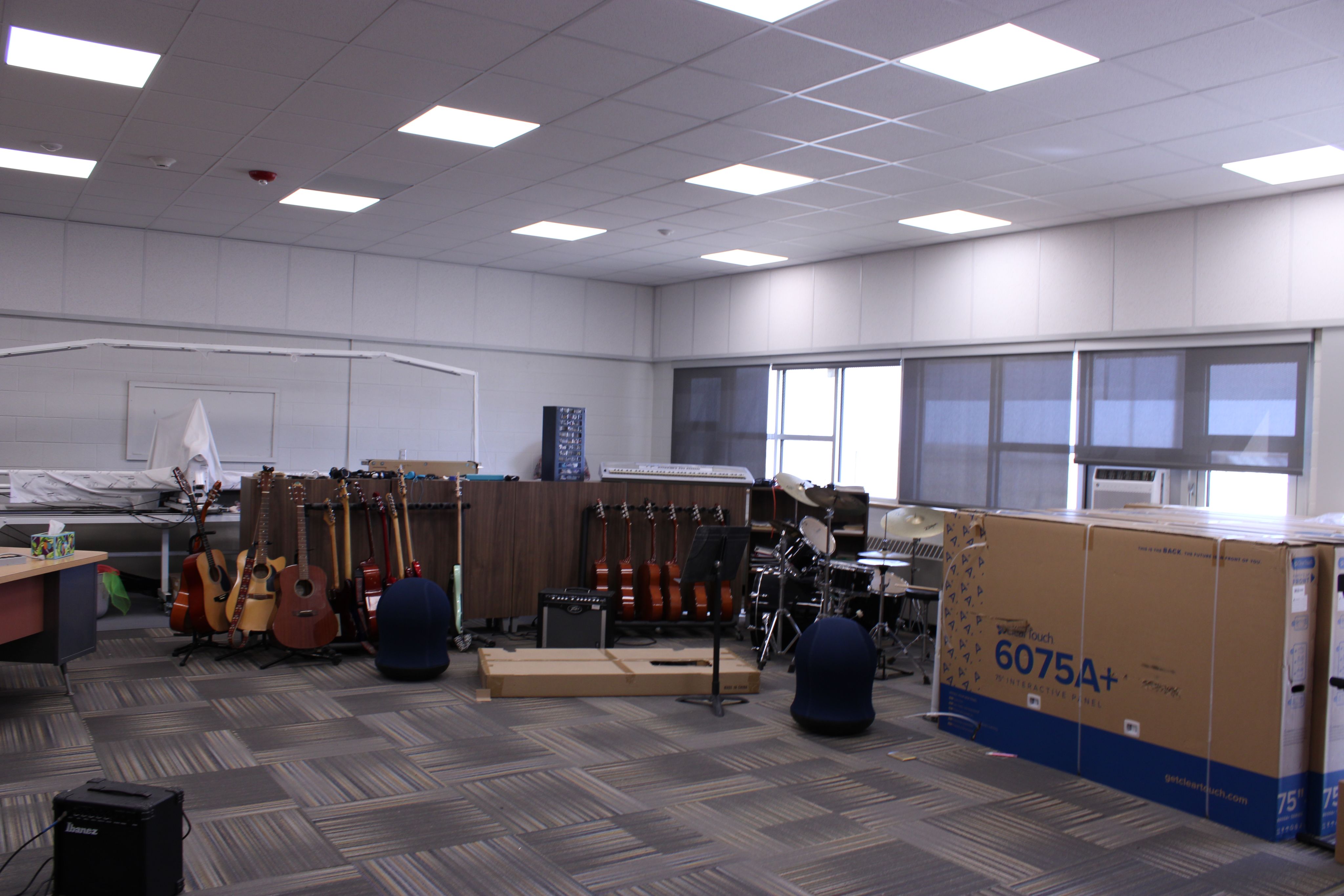
Campo’s music room that is currently unused due to the ongoing teacher shortage.
Campo’s music room that is currently unused due to the ongoing teacher shortage.

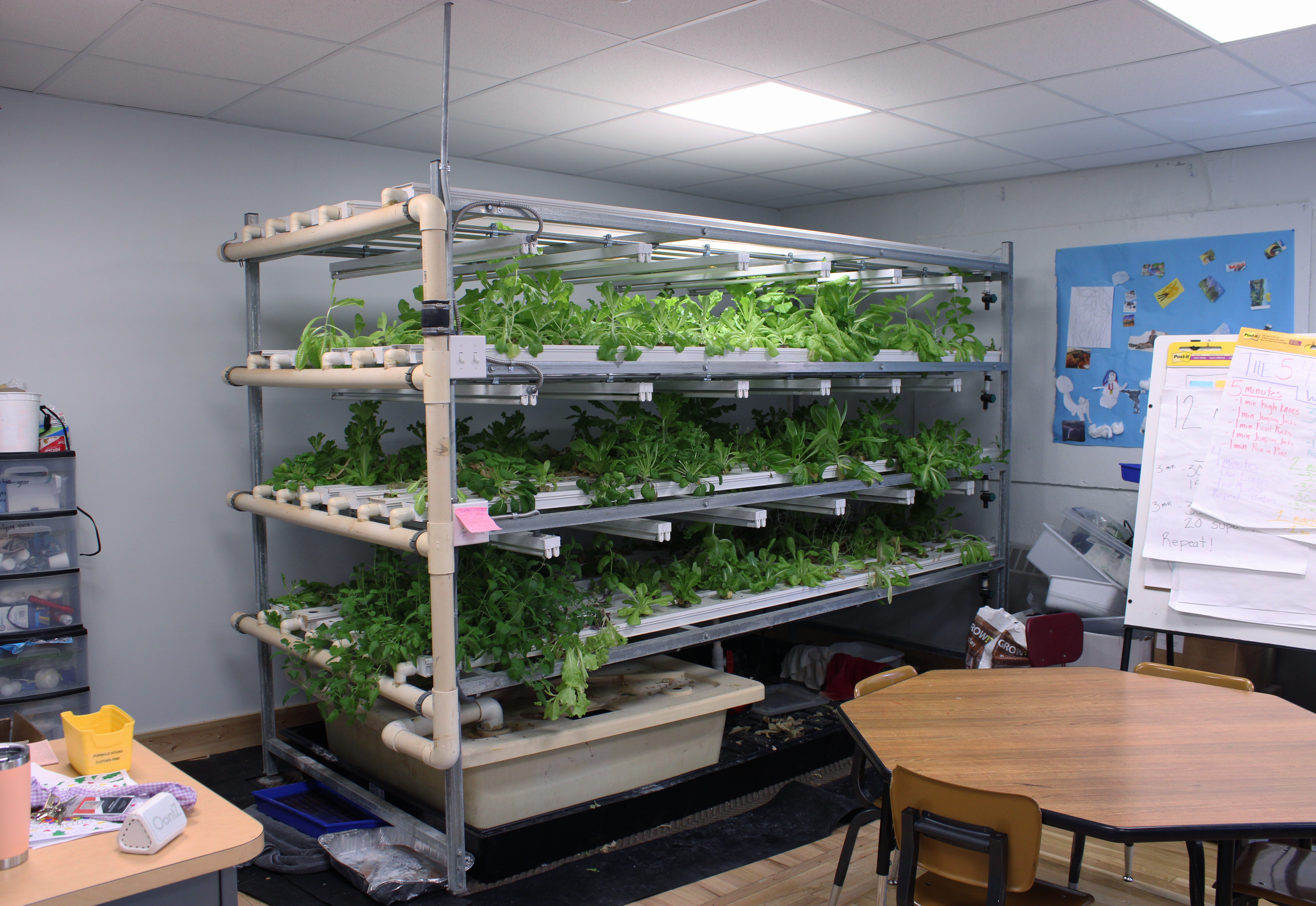
A hydroponics garden in Campo School that grows produce used in the cafeteria.
A hydroponics garden in Campo School that grows produce used in the cafeteria.
One of the ways Campo has combatted its teacher shortage is by implementing the J-1 teacher exchange program. The program allows international teachers to teach in participating schools for up to five years before returning to their home country and teaching what they learned. Campo currently employs two J-1 teachers from the Philippines who teach English and math. Opening their doors to new teachers, to Johnson, meant making sure they felt at home. “I will say it's been a learning experience how to support them personally, too,” she said.
Although Campo has been able to find solutions to their problem that seems to contradict Colorado’s enrollment issues, the challenges they face as a rural district reflect the state at large. Their struggle to receive adequate funding, staff classrooms and provide an effective learning environment are things felt by all schools in the state.
Adapting to the times: Vilas School District RE-5

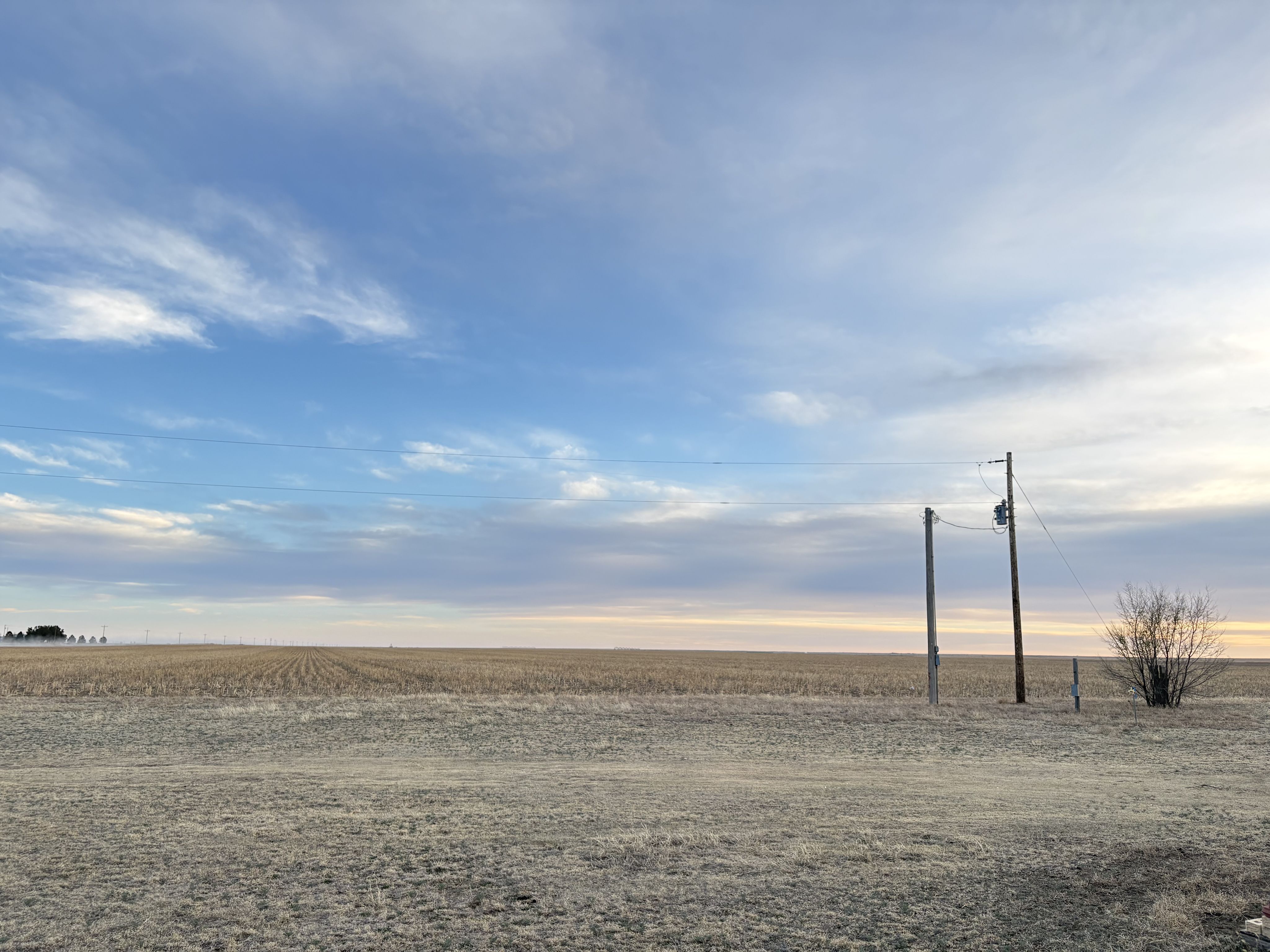
Slightly north of Campo, near the Comanche National Grassland, stands Vilas, a small town with a population of approximately 120 residents. The Vilas School District is home to one K-12 school with 57 students attending it.
Like Estes Park and Campo, the district struggles with staffing and enrollment and being so remote only adds an additional challenge.
Abby Pettinger, superintendent and principal of the school district, has been working at the school for over eight years. Her career in Vilas began as a district secretary until she transitioned to an administrative role.
She assumes many responsibilities throughout the school, all while trying to navigate a rapidly changing society and problem-solve for her students.
“As a superintendent, I have to have a foot in yesterday and a foot in today and a foot in tomorrow, and I don't have three feet,” she said.
One of the biggest problems she’s had to navigate in recent years is a student exodus to online school. She says that parents are drawn to online school because they want individualized education.
Despite this new demand in education, Abby Pettinger has worked to create opportunities for students to explore their passions in ways that a larger district cannot offer. She has found ways to make Vilas a place where students can pursue their interests and receive personalized support by offering hands-on learning experiences, partnerships with surrounding districts and online courses through Lamar Community College.

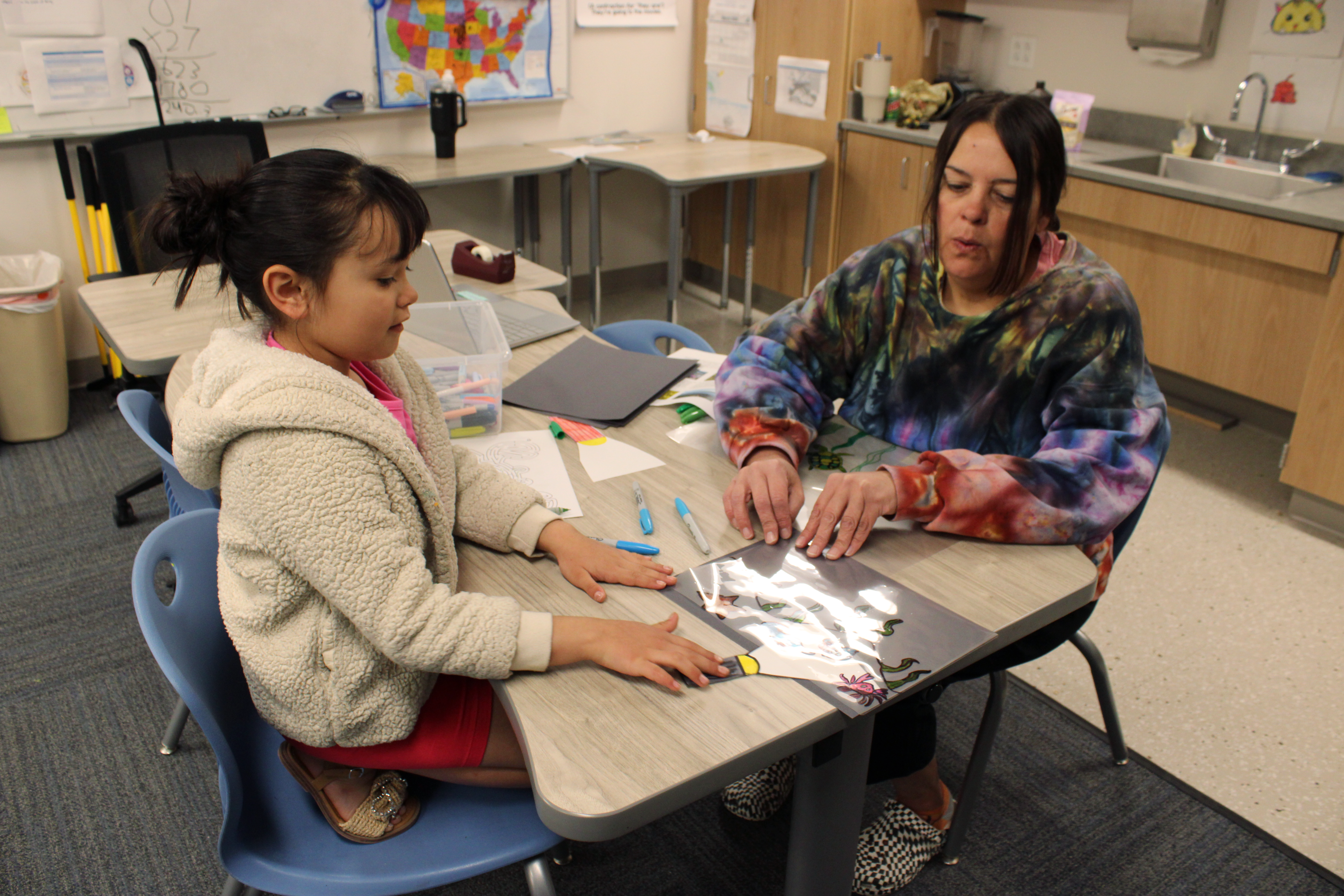
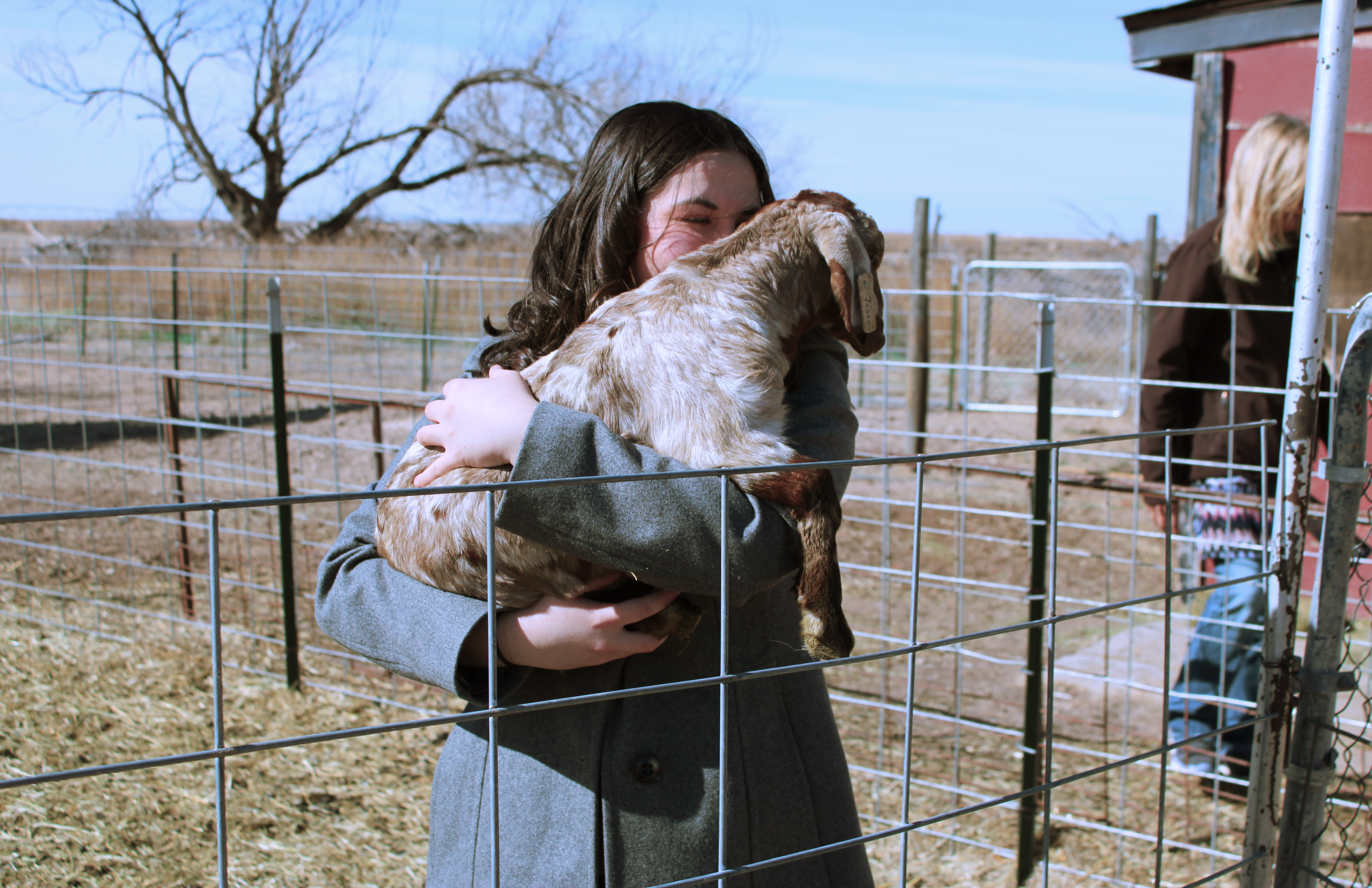
Annabelle Pettinger, a freshman at Vilas, shows a lot of pride in her small school. Walking through the hallways decorated with student work, she eagerly shared different ways the district is able to create a unique learning environment.
“If there’s something we feel we’re lacking, the school will still work to help us find something that’s the equivalent,” Annabelle Pettinger said. “This is what a lot of education in Colorado looks like, and a lot of people don't see that.”
Even with limited resources, Vilas strives to provide life and learning opportunities for their students. Keeping in line with many of the families’ agricultural backgrounds, the school helps students raise livestock to sell at stock shows and the county fair and earn money.
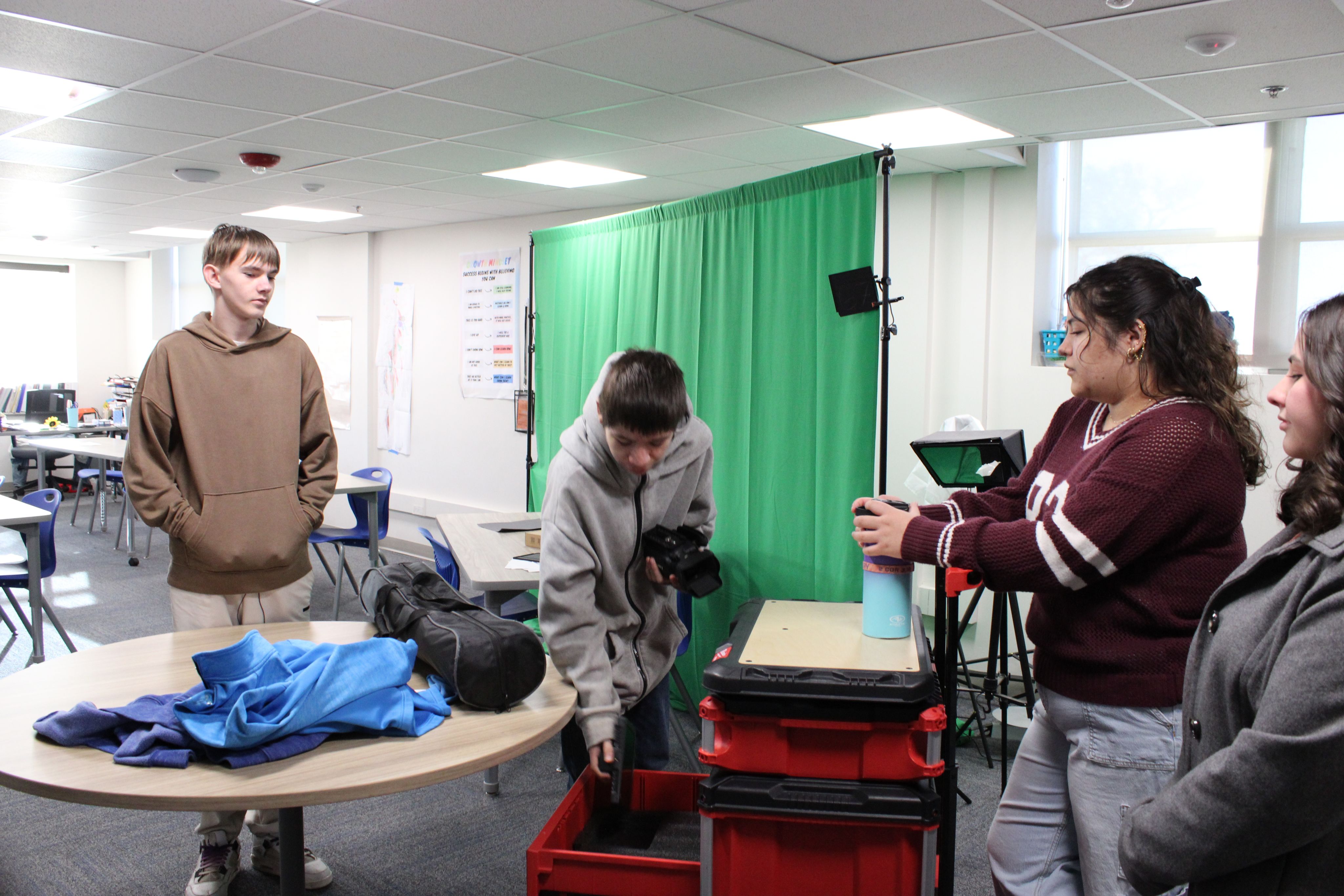
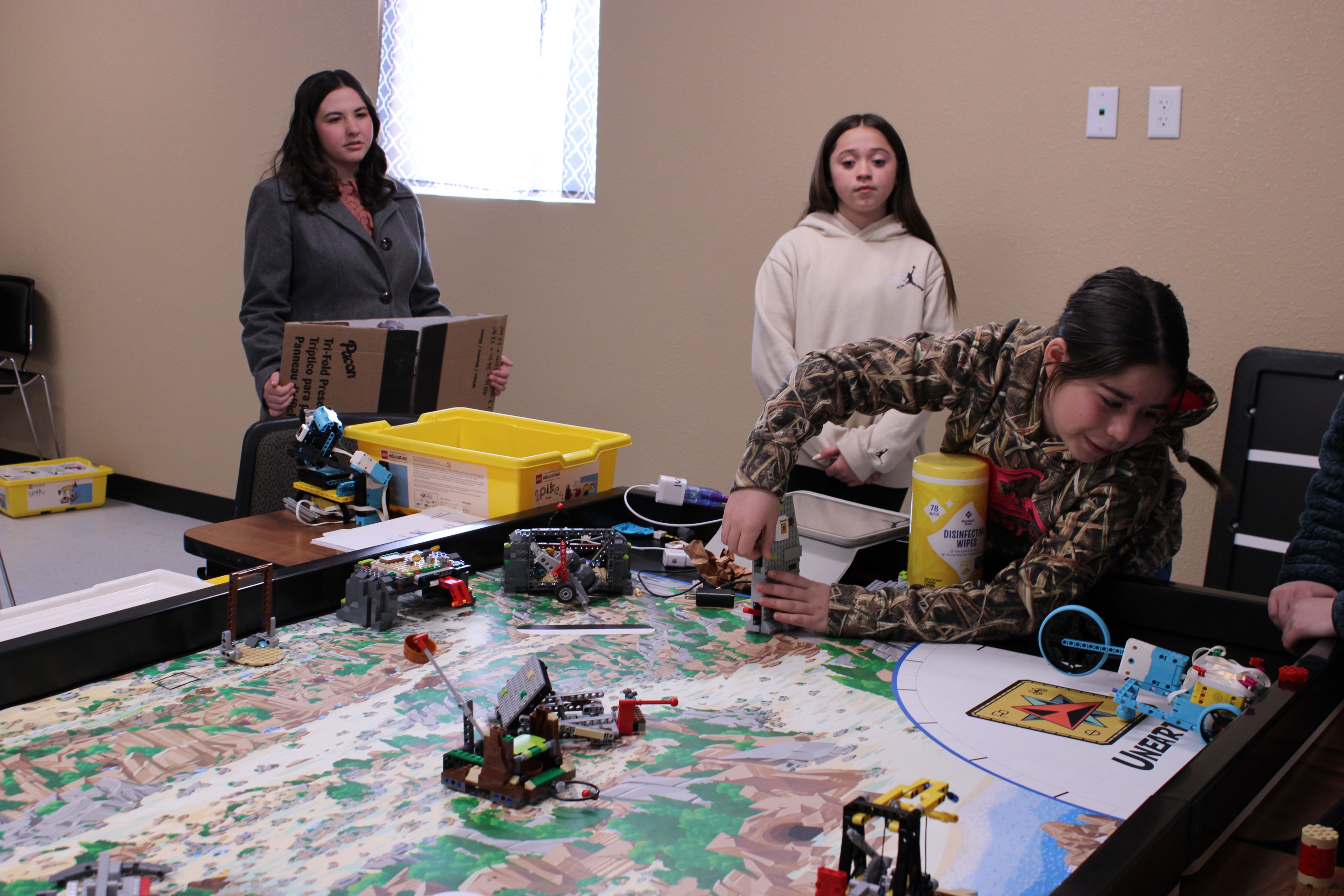
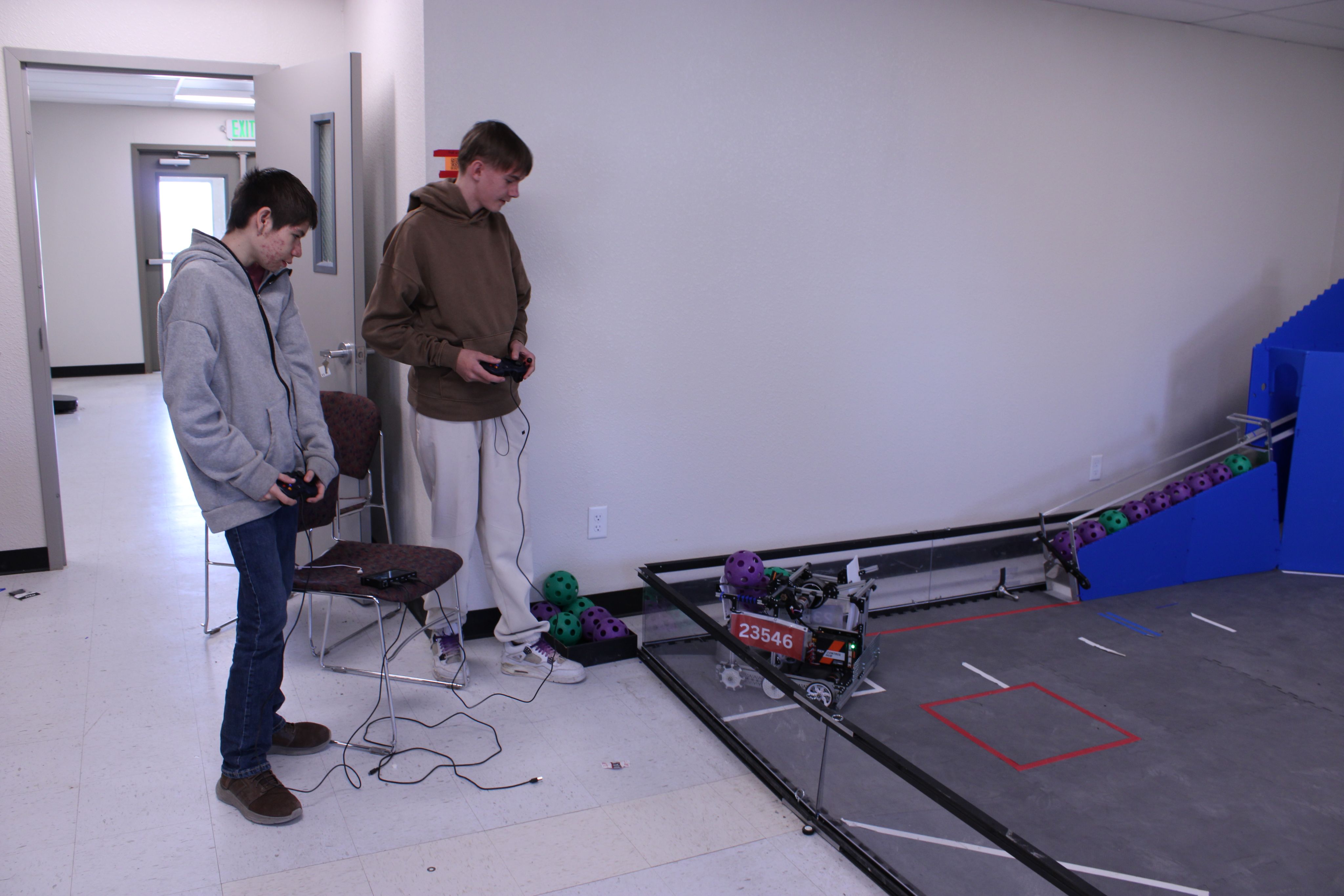
For students who want to engage with STEM, there is a robotics club where they work in teams to build and code robots to participate in state-wide competitions. The school also has camera equipment for students interested in sports media to showcase their broadcasting skills during district competitions. While there’s always adult supervision, these extracurriculars are mainly student-led.
Martha Gutierrez, re-engagement coordinator and teacher at Vilas school district, once attended the school herself before going to college in Alamosa. She later returned to Vilas with her family to teach. This year, her daughter will be graduating with her associate's degree the day before earning her high school diploma.
“We've really tried to get them all these opportunities, whether it be online. We've come a long way from where we were,” Gutierrez said. “I was just in high school in ‘92 here and I could have come out with my [associate of arts], but I didn’t because we didn’t offer any of that.”
While the district is progressing by expanding opportunities, keeping the school running comes at a cost to staff in small districts like Vilas. During her time at the school, Gutierrez has seen many teachers come and go due to the stress of having so many responsibilities.
Similar to Campo and other rural schools, Vilas has combined classrooms where students from different grades are grouped and do their work alongside one another. Amy Negrete has been working at the school for over a decade. This year, she is teaching fourth and fifth grade and must split her time and attention across two grade levels.
“You’re doing two Englishes, two maths, two sciences, which is fine, but it’s a time constraint sometimes that makes it difficult,” Negrete said. “Even though there’s less kids, there’s also the same amount of time for two grades.”
According to Gutierrez, who has taught at larger schools, smaller class sizes and combined grade levels also come with an advantage. With fewer students to manage at once in the classroom, teachers are able to tailor instruction and accommodate different needs.
“I do know what it's like to teach a bigger class, and it's harder,” Gutierrez said. “Here you get more one-on-one [time] with the students, and you can help them more. Whereas in the bigger schools, I know a teacher struggles to try to get that one kid to where they need to be, because you have 23, 24 others.”
Both Negrete and Gutierrez agree that their love for children and education motivates them to continue teaching, even as the demands of the job remain high.
Abby Pettinger says seeing her students become self-sufficient adults and thrive in the real world is what gets her out of bed every day. She believes there is a big disconnect between perception and the reality of how the school operates.
“You cannot understand what our system of education is until you're in this building. That's the reality,” she said. “Technology is great to connect. It's not the whole story.”

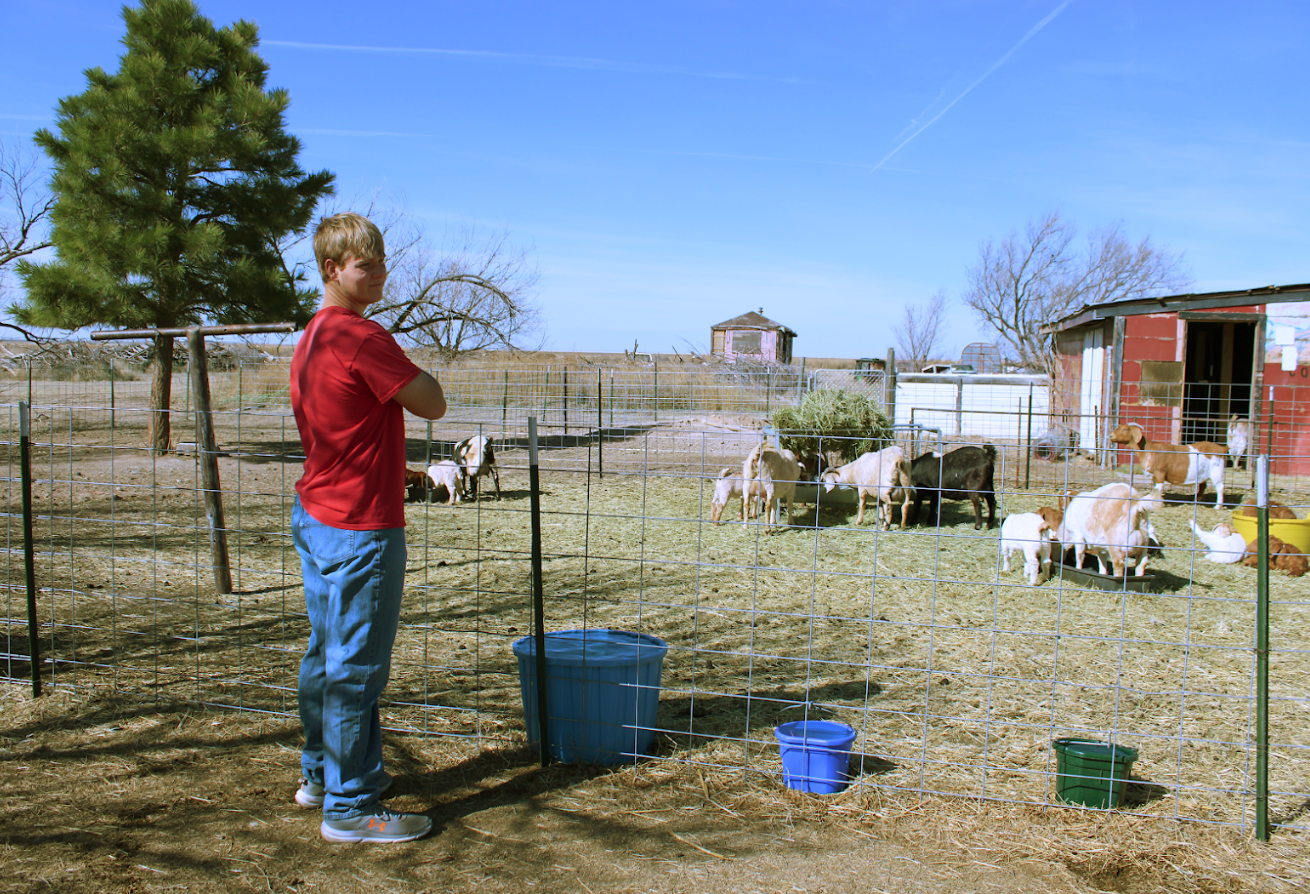






Ty Brooks, a senior who goes to school in Vilas. His family works in the agriculture sector and he hopes to attend Oklahoma Panhandle State University.
Ty Brooks, a senior who goes to school in Vilas. His family works in the agriculture sector and he hopes to attend Oklahoma Panhandle State University.

Anabelle Pettinger, daughter of Abby Pettinger, holding one of the school's goats.
Anabelle Pettinger, daughter of Abby Pettinger, holding one of the school's goats.
Students from the sports media class checking out their camera equipment.
Students from the sports media class checking out their camera equipment.
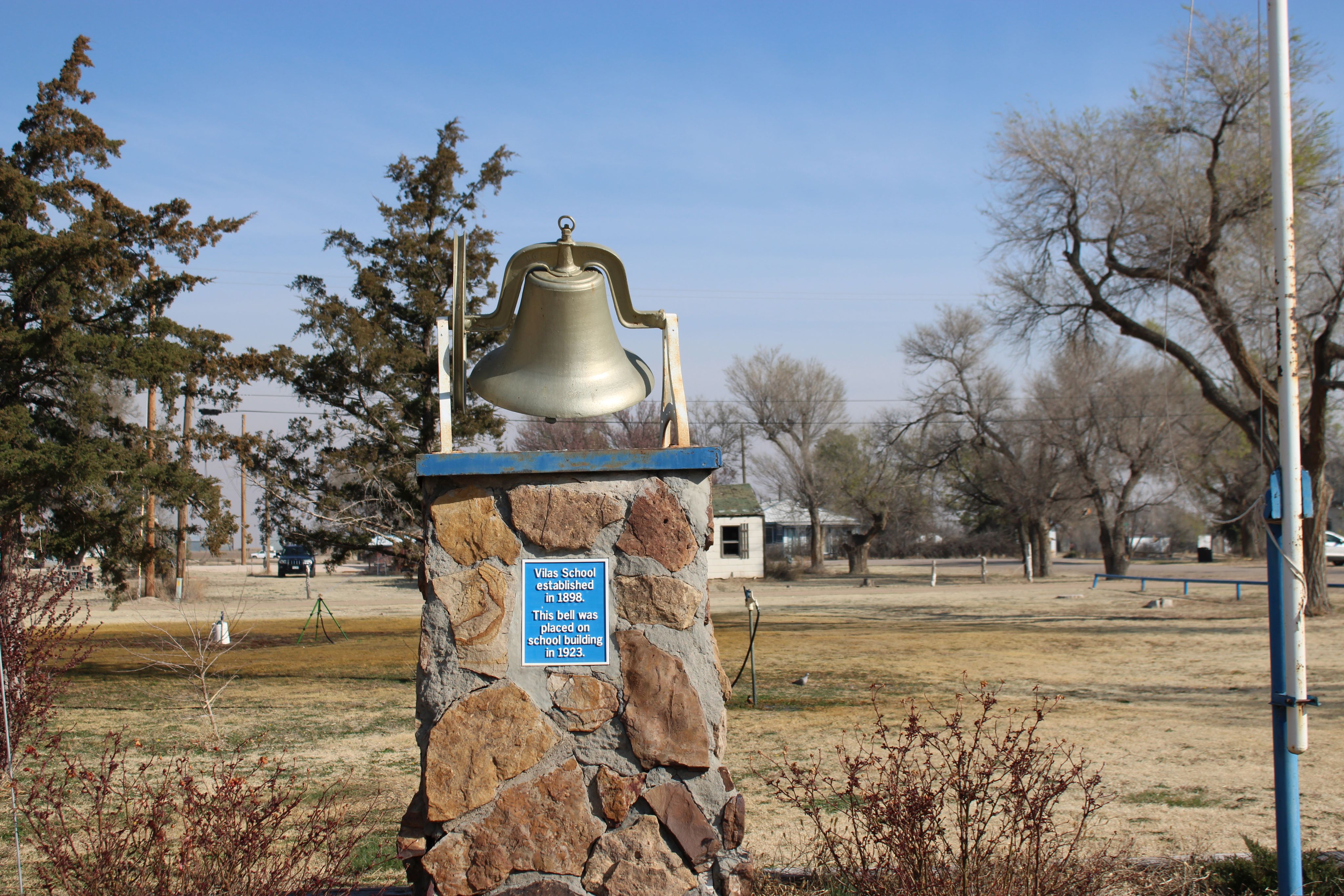
Vilas School was established in 1898, this statue of a bell was placed in 1923.
Vilas School was established in 1898, this statue of a bell was placed in 1923.
Junior high students working on their Lego robotics project.
Junior high students working on their Lego robotics project.
Two students are operating a robot they made for class. All of their robotics skills were self-taught through online tutorials and manuals.
Two students are operating a robot they made for class. All of their robotics skills were self-taught through online tutorials and manuals.
 Built with Shorthand